Octopus Embroidery Design Review for Craft Fairs
As an experienced embroidery designer, I’ve had the chance to evaluate countless designs for their viability in craft fairs and handmade markets. One that recently caught my eye is the Octopus machine embroidery design. It’s a versatile piece with enough visual interest to stand out on a crowded table, yet practical enough to translate well across multiple product types. Here’s how it performed during my review process.
First Impressions: Bold and Playful
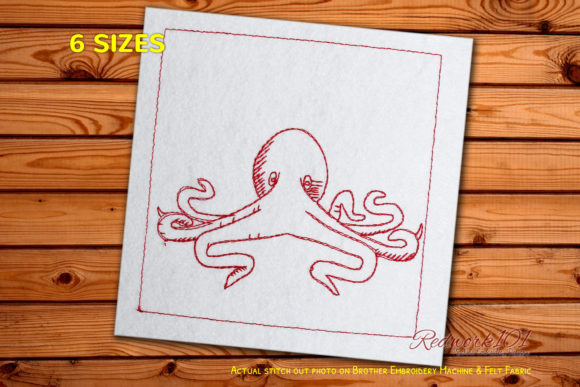
The Octopus design immediately grabs attention with its bold shape and playful charm. It doesn’t scream "tropical beach" in the traditional sense but carries subtle Beach-inspired vibes through its organic form and fluid lines. The outer box, which is optional in the design, adds structure without overpowering the octopus itself. This makes it feel more like a decorative statement than just another seasonal motif.
What stands out is the balance between simplicity and detail. The tentacles are expressive enough to tell a story, yet not so intricate that they become overwhelming. It’s a design that works equally well as a standalone feature or part of a larger collection of handmade products.
Product Compatibility and Display Appeal
I tested the Octopus on several common craft fair items to see where it shines:
- Tote bags: The design looked fantastic centered on a medium-weight canvas tote. Its size was ideal—large enough to be noticed from across the room but not too big to overwhelm the bag’s functionality.
- Aprons: Placed near the bottom hem, the octopus added a whimsical touch to a classic kitchen item. It didn’t distract from the apron’s usability and enhanced its farmhouse appeal.
- Tea towels: A smaller version of the design worked well here. It gave the towel personality while maintaining clarity and stitch integrity on textured cotton.
- Embroidered patches: When stitched onto felt or denim, the octopus became a standout accessory. Its boldness made it perfect for adding to jackets, backpacks, or denim shorts.
- Caps: Curved surfaces can be tricky, but the octopus handled it well when placed centrally. Just be mindful of spacing and hoop size to avoid distortion.
- Fabric pouches: The design added a premium look to small, gift-sized pouches. Customers were drawn to these at first glance, especially when paired with coordinating thread colors.
- Pillow covers: On linen or muslin fabric, the tentacled creature brought a soft, artistic flair. It complemented other embroidered pieces and created a cohesive booth display.
Which Product Sells Best?
If I had to choose one product type to showcase the Octopus design for maximum impact, I’d go with tote bags. These are high-traffic items at any market or fair, and the octopus’s presence as a central focal point gives them instant visual appeal. For smaller, value-priced items, consider embroidered patches or tea towels, which allow the design to shine without requiring a large investment from customers.
Production Considerations for Embroidery Business Owners
One of the key aspects of a successful craft fair setup is efficiency in production. Let’s break down what you need to know about using this design in your shop:
Design Clarity and Size Flexibility
The Octopus design is easy to understand at a glance, making it suitable for both simple accents and full-size features. I recommend starting with a mid-sized placement (around 5x7 inches) to ensure visibility and stitch quality. Smaller versions may lose some definition due to the design’s detailed tentacles.
Photography for Etsy Listings and Printable Mockups
This design photographs beautifully, especially on light-colored fabrics. The contrast between the tentacles and background really helps it pop in photos. When creating printable mockups for online listings, use a clean white tote or linen pillow cover to highlight the design’s elegance. Darker backgrounds can still work if thread colors are carefully selected.
Batch Production Readiness
With proper planning, the Octopus is repeatable for batch production. Its structure allows for consistent placement and stitching, even when used on curved surfaces like caps or pouches. However, always test on scrap fabric before going into mass production. Stitch density varies depending on scale and fabric choice, so it's important to confirm how it behaves on different materials.
Use Careful Techniques for Optimal Results
To get the best results from the Octopus design, keep these tips in mind:
- Test on scrap fabric first. This will help you identify any potential issues with stitch coverage or distortion.
- Check thread color contrast against your fabric. Lighter threads may not show up well on dark textiles, while darker ones can add depth and drama.
- Review spacing around the design. Leaving a bit of negative space ensures it remains the focal point and prevents overcrowding on the product.
- Confirm hoop size requirements based on the final placement and scale. Larger versions may require bigger hoops or split stitching for curved areas.
- Inspect stitch density closely, especially in the tentacle sections. Too dense and it could pucker; too sparse and it might appear flat or incomplete.
- Use the right stabilizer for your fabric. Especially on stretchy or thick materials, stabilizing is essential to maintain the design’s sharpness and prevent misregistration.
- Create a real mockup before listing it online. Seeing it in person helps you adjust lighting, placement, and presentation for your craft fair product lineup.
- Compare how it looks on various fabrics. Thick, textured, or dark materials may alter the visual impact and should be considered carefully.
- Always verify commercial licensing before selling finished goods. If the digital file comes with commercial rights, make sure they align with your intended use and quantities.
Customer Engagement and Brand Consistency
The Octopus has strong visual appeal and can serve as a memorable signature for your brand. Its modern yet slightly quirky look fits well within the current trend toward unique, handcrafted machine embroidery designs that reflect personal style. As an Etsy seller, pairing it with similar marine-themed motifs can create a cohesive line that attracts niche audiences looking for beach-inspired home décor or accessories.
At a craft fair booth, the design acts as a conversation starter. Shoppers often ask questions about the inspiration behind it, which opens the door for storytelling and deeper engagement. That kind of interaction boosts sales because people connect with the creator’s vision.
Final Thoughts for Creative Entrepreneurs
The Octopus is a strong contender for any handmade shop or small shop product lineup. It’s not just another beach icon—it’s a design with character that can elevate your offerings from generic to unforgettable. Whether you're crafting for a local market or building your digital embroidery file inventory, this piece deserves a spot on your table.
Remember to treat each product iteration as a sample. Use the insights gained from early batches to refine your approach and maximize the design’s potential. With the right strategy, the Octopus can become a staple in your Embroidery catalog and a favorite among your customers.