Brown Owl Design Review for Craft Fairs
As an embroidery designer who spends weekends setting up booths and weekdays managing digital shops, I have learned that the difference between a design that sits on a shelf and one that sells out by noon comes down to three things: visual impact, production reliability, and product fit. When I received the Brown Owl Design, my first instinct was not to look at the code, but to imagine it on fabric. This review is written from that practical standpoint, evaluating this machine embroidery design as a potential hero piece for handmade markets, Etsy listings, and boutique collections.
First Impressions and Visual Appeal
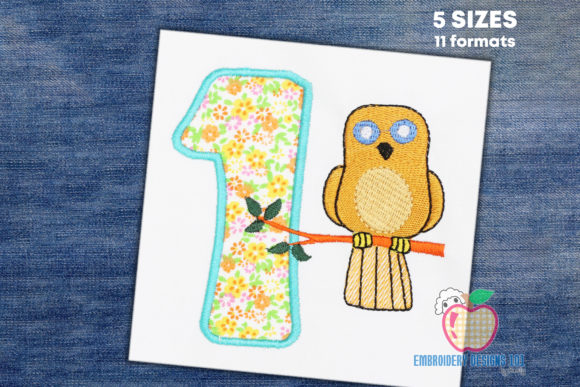
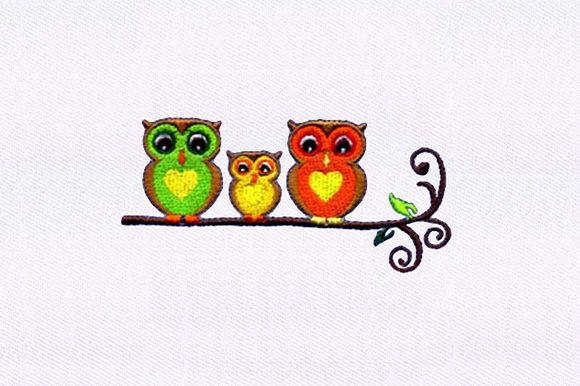
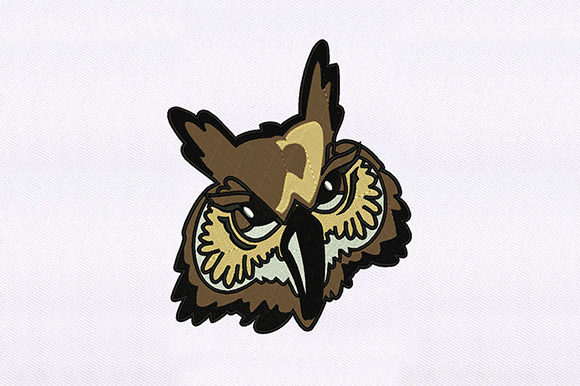
The title "Brown Owl Design" suggests a natural, earthy aesthetic. In the world of craft fairs and handmade goods, nature-inspired motifs consistently perform well because they evoke warmth, comfort, and a connection to the outdoors. A brown owl is rarely seen as aggressive; instead, it reads as wise, gentle, or whimsical depending on the execution. For a booth display, this character works exceptionally well because it appeals to a broad demographic, including parents buying gifts for children, nature lovers, and fans of rustic farmhouse decor.
When you place a Brown Owl Design on a neutral background, it immediately draws the eye. The color palette of browns typically includes tans, chocolates, and warm ambers, which photograph beautifully under both indoor lighting and outdoor sunlight. This is crucial for an Etsy seller or anyone relying on printable mockup images to drive online traffic. Unlike bright neons that can wash out in photos or clash with product backgrounds, brown tones offer a premium, timeless look that suggests high-quality craftsmanship rather than a fleeting trend.
Product Application and Market Fit
To determine if a design has commercial viability, we must test it against common best-sellers. Here is how the Brown Owl Design translates across various categories:
- Tote Bags and Market Bags: Canvas tote bags are the backbone of many craft fair sales. An embroidered owl centered on a canvas bag looks substantial and professional. It acts as a focal point without overwhelming the simple utility of the bag. This is a perfect tote bag design for students, shoppers, and book lovers.
- Apron Embroidery: Placing this design on the chest pocket of a denim or linen apron creates an instant gift item. The rustic feel of the owl complements the workwear aesthetic of aprons, making it ideal for kitchen enthusiasts or gardeners.
- Tea Towel Embroidery: Kitchen linens are low-cost impulse buys. If the Brown Owl Design is sized correctly, it adds a charming accent to a tea towel. However, sellers must be cautious about stitch density here, as heavy designs can make thin cotton towels stiff and unwearable.
- Embroidered Patch: Converting the design into a patch allows for versatility. You can sew these onto beanies, backpacks, or jackets. Patches are highly portable for vendors, taking up less space than finished garments while still showcasing the artistry.
- Pillow Covers: For home decor sections, a square pillow cover featuring the owl offers a cozy, inviting vibe. This fits well with seasonal themes, particularly autumn or winter holidays.
The key takeaway is that this machine embroidery design is versatile enough to span multiple product lines, allowing a small business owner to create a cohesive collection rather than disparate items.
Production Practicality and Technical Notes
From a technical standpoint, producing for volume requires efficiency. Before committing to mass production, every designer needs to verify the technical specifications of the embroidery file. The provided formats—10O, ART, CND, DSB, DST, DSZ, EXP, HUS, JEF, PCS, PEC, PES, TAP, VIP, VP3, XXX—cover nearly every major brand of home and industrial machines. This compatibility is a significant asset, meaning you are not limited to a single type of hardware.
However, format support does not guarantee ease of stitching. Sellers must evaluate the following during the sampling phase:
- Stitch Density: Check the fill stitches closely. If the design is too dense, it may pucker lightweight fabrics like muslin or thin polyester blends. Conversely, if it is too sparse, details might get lost on textured fabrics like waffle-weave tea towels.
- Hoop Size: Confirm the required hoop size. Designs that require large hoops limit the types of products you can embroider easily. A compact footprint allows for more creative placement on smaller items like pouches or caps.
- Thread Colors: Analyze the thread count. Designs requiring excessive color changes slow down production time and increase the risk of thread breaks. A streamlined color palette ensures faster turnaround times for busy market days.
- Stabilizer Needs: Determine if the design requires cut-away or tear-away stabilizer. For items that will be washed frequently, such as aprons and towels, cut-away stabilizers provide better longevity, though they add bulk.
I strongly advise creating at least one real mockup before listing any digital embroidery file for sale or using it in your own shop. Testing on the actual fabric you intend to sell helps identify issues with fabric texture interaction that cannot be seen on a computer screen.
Selling Strategy and Customer Engagement
When customers browse a craft fair booth, they are looking for something that feels personal and handmade. A well-executed Brown Owl Design signals care and attention to detail. To maximize sales, consider how you present the item.
For online listings, use high-resolution images that show the texture of the stitches. Close-ups of the eye or feather details can highlight the quality of the work. Since the design is part of the "Birds" category, you can leverage search terms effectively by combining it with keywords like "rustic nursery decor," "woodland theme," or "nature lover gift."
In a physical booth, hang tote bags or aprons at eye level. The contrast of the brown threads against light-colored fabrics will stand out. If you are selling patches, display them on a felt board or a denim jacket sample to demonstrate application. This tactile experience encourages buyers to touch and engage with the product, increasing the likelihood of a purchase.
Careful Use Notes for Vendors
While the Brown Owl Design appears robust, there are specific pitfalls to avoid:
- Small Details: If the design includes tiny text or very fine lines, ensure it is not being reduced below its optimal size. Small details often blur together, resulting in a muddy appearance that degrades the perceived value of the finished product.
- Dark Fabrics: Embroidering brown thread on dark fabric can result in poor visibility unless you use a lighter shade of tan or cream for the highlights. Always test contrast before running a full batch.
- Curved Surfaces: When embroidering on caps or curved pouches, distortion can occur. Use a proper cap frame and stretch the fabric evenly to maintain the integrity of the owl’s shape.
Finally, always confirm your commercial embroidery licensing rights. Just because you purchased the file does not automatically grant you the right to sell unlimited quantities of finished goods. Understanding the license terms protects your business and ensures ethical practices within the crafting community.
Final Verdict
The Brown Owl Design is a strong contender for any small shop product lineup. Its natural aesthetic, broad appeal, and technical compatibility make it a safe yet attractive choice for makers. By paying close attention to fabric selection, stitch quality, and presentation, you can turn this digital asset into a tangible success story at your next craft fair or online store. Remember, the magic lies not just in the design itself, but in the care you put into bringing it to life on fabric.