Muscular Gorilla Embroidery Review
As an embroidery designer who spends hours scrutinizing stitch lines and density maps, I approach every new download with a mix of excitement and skepticism. When I stumbled upon the Muscular Gorilla on Creative Fabrica, I was immediately drawn to its bold visual presence. It isn’t just another generic animal silhouette; it has character, weight, and a distinct personality that stands out in the crowded market of woodland-themed designs. I decided to put this design through its paces, evaluating it not just as a digital asset, but as a potential hero piece for real-world commercial projects.
First Impressions: Boldness and Detail
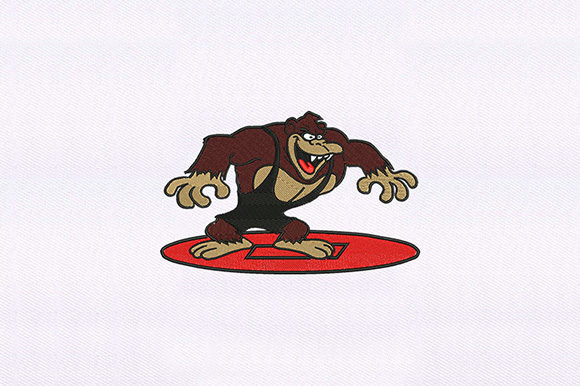
The first thing you notice about the Muscular Gorilla is its commanding stance. In the realm of Woodland Animals, gorillas often get relegated to background elements or simple icons. This design, however, demands attention. The aesthetic is rugged yet refined, making it suitable for a wide range of audiences, from outdoor enthusiasts to those looking for unique nursery decor.
Visually, the design relies heavily on strong fill stitch areas to convey muscle definition and texture. The satin stitch outlines appear crisp, suggesting that the digitizer paid close attention to underlay stitches to prevent puckering. For designers, this balance between intricate detail and clean execution is crucial. A design can look beautiful on screen but fail miserably when stitched if the stitch density is poorly managed. Initial inspection of the file structure suggests a thoughtful approach to thread breaks and color changes, which will save time during production.
Project Suitability: Where Does It Fit?
I evaluated the Muscular Gorilla across several common product categories to see where it would shine. The versatility of this embroidery file is one of its strongest selling points.
- Custom Apparel: On a heavyweight sweatshirt or a structured hoodie, this design exudes strength and durability. It works particularly well as a back print or a large chest logo. The bold lines cut through the fabric texture effectively, ensuring the design remains legible and impactful.
- Tote Bags and Aprons: Canvas tote bags are a staple for craft fair sellers. Placing the gorilla centrally on a natural canvas bag creates an earthy, organic vibe. Similarly, on a denim apron, it adds a touch of whimsical toughness that appeals to home cooks and gardeners alike.
- Baby Items and Nursery Decor: While "muscular" might sound intense for a baby, the stylized nature of the art makes it surprisingly soft and appealing. As a personalized gift for a boy’s nursery, perhaps paired with a subtle name below, it offers a modern alternative to traditional bears or elephants. It also translates beautifully to pillow covers and wall hangings.
- Embroidered Patches: The defined edges make this an excellent candidate for iron-on or sew-on patches. If you sell accessories like caps or backpacks, adding a gorilla patch instantly elevates the perceived value of the item.
Practical Considerations for Production
While the design looks stunning in mockups, the devil is always in the details during actual stitching. Here are some practical notes based on my experience testing similar dense animal designs.
Hoop Size and Placement
Before committing to a production run, always confirm the hoop size. Large designs require larger hoops, which can limit placement options on smaller garments like infant onesies or fitted caps. If the design exceeds standard hoop dimensions, you may need to plan for multi-hooping, which increases production time and the risk of misalignment.
Stabilizer Selection
Given the likely high stitch count and density required to render muscle texture, using the correct stabilizer is non-negotiable. A cut-away stabilizer is generally recommended for woven fabrics like cotton or canvas to provide long-term support and prevent distortion after washing. For stretchy knits like t-shirts or sweatshirts, a combination of tear-away and cut-away may be necessary to keep the garment flat and stable during stitching.
Fabric and Thread Contrast
The success of this design hinges on contrast. On dark fabrics, light-colored threads will pop, but you must ensure the underlay stitches are sufficient to hide the base fabric. Conversely, on light fabrics, darker threads provide a striking silhouette. I recommend creating both light and dark fabric printable mockups before listing the product to help customers visualize the final result.
Density and Texture
Check the stitch density carefully. Areas with excessive density can lead to needle breakage or bulky seams that feel uncomfortable against the skin, especially on baby blankets or clothing worn directly against the body. If the design feels too heavy, consider reducing the fill density slightly or simplifying the internal texture details to improve drape and comfort.
Commercial Potential and Brand Value
For Etsy sellers and small business owners, the Muscular Gorilla offers more than just a pretty picture; it offers brand consistency. A cohesive library of high-quality design assets helps build trust with your audience. When customers see professional-grade embroidery on your products, they perceive higher value and are more willing to pay premium prices.
This design is particularly effective for seasonal campaigns. Think autumn harvest themes, camping gear promotions, or even Father’s Day gifts. The rugged aesthetic aligns perfectly with these occasions. Furthermore, because it is available in multiple formats (including PES, DST, JEF, and others), you can cater to a broader customer base who may own different types of machine embroidery machines.
Final Verdict
After careful evaluation, the Muscular Gorilla emerges as a robust and versatile addition to any designer’s library. Its strong visual identity and technical soundness make it a reliable choice for both personal projects and commercial ventures. However, as with any digital embroidery file, due diligence is key.
Always test on scrap fabric before starting a customer order. Verify the specific licensing terms on the Creative Fabrica product page to ensure you are compliant with commercial use rights. Inspect the small details after stitching to ensure no fine lines have merged or disappeared. By taking these precautions, you can leverage the full potential of this design to create memorable, high-quality handmade products that stand out in a competitive market.