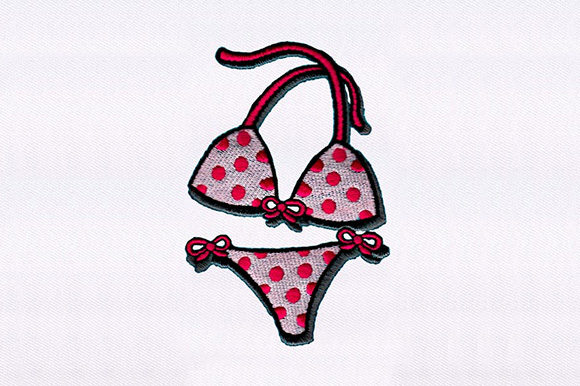
Dot Printed Swimsuit Embroidery Review
As a designer who spends most of my days troubleshooting stitch errors and optimizing designs for production, I don’t just look at the visual appeal of a file; I look at how it behaves under the needle. When I first pulled up the Dot Printed Swimsuit design, my initial reaction was one of cautious optimism. It’s a playful, summery motif that screams vacation vibes, but in the world of machine embroidery design, "playful" often translates to complex or fragile if not executed correctly. This review breaks down exactly how this embroidery file holds up when moved from the screen to the hoop, specifically for those of us looking to create sellable products or high-quality personalized gifts.
First Impressions: Mood and Visual Personality
The Dot Printed Swimsuit immediately establishes a light, airy mood. The concept is straightforward—a classic swimsuit silhouette covered in a dot pattern—but the execution relies heavily on the contrast between the outline and the fill. For an Etsy seller or small business owner, this is a strong contender for seasonal inventory. It fits perfectly into the "Beach" category without being overly literal. It doesn’t need to show a beach scene to evoke that feeling; the swimwear itself does the heavy lifting.
Visually, the design feels balanced. It isn’t overly dense, which is a huge plus for durability. Many trendy designs fail because they try to cram too much detail into a small space, resulting in a muddy, unrecognizable blob after washing. This design, however, maintains its shape. The dots are distinct, and the overall form is clear. It has a modern, graphic quality that appeals to a younger demographic, making it ideal for custom apparel like t-shirts or tote bags, as well as more delicate items like baby clothes.
Real-World Application: Where Does It Fit?
I tested this design with several common product scenarios in mind. Here is where the Dot Printed Swimsuit shines:
- Tote Bags: This is perhaps the strongest use case. A canvas tote bag with this design embroidered on the front pocket creates an instant boutique feel. The sturdy fabric supports the stitches well, and the casual nature of the tote matches the relaxed vibe of the swimsuit graphic.
- Sweatshirt Embroidery: For spring break or summer festivals, a crewneck sweatshirt featuring this design can be a bestseller. The soft texture of the fleece contrasts nicely with the smooth satin edges of the design, adding tactile interest to the finished product.
- Baby Embroidery: Because the design is cute rather than overtly fashion-forward, it works surprisingly well on baby rompers or burp cloths. Parents love personalized gifts that are gender-neutral or softly themed, and this design hits that sweet spot.
- Embroidered Patch: If you plan to turn this into a detachable patch, the clean lines make it easy to digitize with a proper border. It adds a fun accent to denim jackets or backpacks, appealing to crafters who enjoy upcycling.
However, not every project is a good fit. While the design is versatile, it requires strategic placement. On a curved surface like a baseball cap, the flat nature of the swimsuit graphic might distort if the hoop tension isn’t perfect. Similarly, on thin fabrics, the density of the dot fills could potentially pucker the material if not stabilized properly.
Technical Performance and Stitch Quality
When evaluating any digital embroidery file, I always look at the stitch types. The Dot Printed Swimsuit utilizes a mix of satin stitch for the outlines and fill stitch for the dots. This combination is generally safe for home machines and commercial units alike, provided the user understands their machine’s capabilities.
The stitch density appears moderate. This is crucial for longevity. High-density designs wear faster and are more prone to thread breaks. With this design, the dots are spaced adequately to allow the fabric to breathe. However, if you are using a very loose-weave fabric, you may see the backing showing through the stitches. In such cases, using a cut-away stabilizer is non-negotiable to maintain the integrity of the finished product.
One area to watch is the transition between colors. If you are using a multi-color thread sequence, ensure your machine can handle the jump stitches cleanly. Clipped threads on the back should be minimal to prevent bulkiness, especially if this is going onto a garment that will be worn close to the skin, like a swimsuit cover-up or a lightweight tee.
Color and Contrast Considerations
The success of this design hinges on thread selection. The dots must contrast sharply with the background color of the garment. On a white or light-colored fabric, darker thread colors will pop beautifully. On dark fabrics, you will likely need a stabilizer with a top layer or a pre-printed transfer to ensure the lighter thread shows up clearly. Always test your thread colors on scrap fabric before committing to the final item. A poor color choice can ruin an otherwise excellent design.
Pitfalls and Precautions
Even great designs have limitations. Here is where you need to be careful with the Dot Printed Swimsuit:
- Small Hoop Sizes: Do not attempt to reduce this design significantly. Shrinking it below a certain threshold will cause the individual dots to merge, losing the defining characteristic of the pattern. Check the recommended hoop size in your software and stick to it.
- Stretchy Fabrics: While it works on some knits, highly stretchy materials like spandex blends require extra care. Without adequate stabilization, the elastic recovery of the fabric can distort the embroidery over time, leading to a wavy, unprofessional look.
- Dense Areas: Avoid placing this design over seams, zippers, or pockets. The added thickness can cause needle deflection or uneven stitching.
- Washability: If this is for a commercial product intended for frequent washing, advise customers to wash inside out on cold. This preserves the vibrancy of the threads and prevents fraying.
Final Verdict for Designers and Sellers
The Dot Printed Swimsuit is a solid addition to any library of design assets. It is not a groundbreaking technical marvel, but it is reliable, attractive, and commercially viable. It offers a high perceived value for a relatively low complexity level, which means less time spent troubleshooting and more time spent selling.
For the craft business owner, this design is a low-risk, high-reward item. It fits seamlessly into existing collections of seasonal goods. Whether you are creating personalized gifts for weddings, holiday bundles, or everyday handmade products, this design adds a touch of whimsy that customers appreciate. Just remember to do your due diligence: check the licensing terms, test on scrap fabric, and choose your materials wisely. When done right, the embroidery project results in a professional, durable, and beautiful piece that stands out in a crowded market.