Teapot Design Bluework: A Charming Embroidery for Personalized Gifts
As an experienced embroidery designer, I always look for machine embroidery designs that strike the perfect balance between beauty and practicality—especially when creating personalized gifts. Teapot Design Bluework caught my eye with its vintage-inspired aesthetic and thoughtful design elements. In this review, I’ll walk you through how it performed in real-world gift scenarios, what makes it special, and where to use it carefully.
First Impressions: Timeless Charm with a Handmade Feel
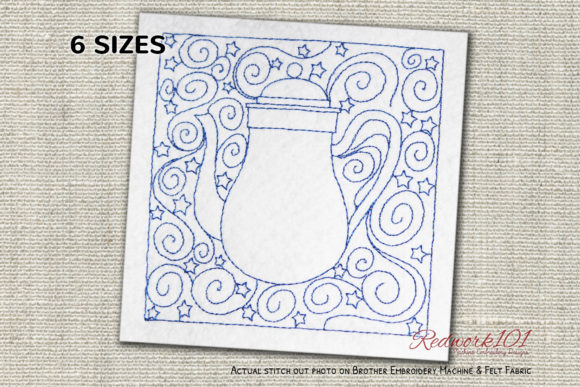
The moment I opened the digital embroidery file for Teapot Design Bluework, I was struck by its simplicity and elegance. The teapot is rendered in monochrome blue thread, giving it a soft, classic vibe reminiscent of traditional whitework or heirloom embroidery. It’s not overly intricate, but there’s enough detail in the spout and handle to make it visually engaging without overwhelming the fabric.
This design has a quiet charm that speaks to both modern minimalists and those who appreciate more nostalgic styles. It feels like the kind of embroidered towel or pillow cover you might find in a cozy kitchen or a cherished nursery. The emotional appeal is subtle but strong—perfect for meaningful gifts like baby blankets, wedding keepsakes, or family heirlooms.
Applications Across Popular Gift Products
Teapot Design Bluework shines as a versatile machine embroidery design suitable for a wide range of personalized items. Here are some product ideas I’ve tested using this design:
- Baby Blankets: The teapot adds a whimsical touch while maintaining a soft, elegant appearance. It pairs well with names or dates stitched nearby.
- Kitchen Towels: This design fits beautifully on cotton tea towels, making them a charming addition to any home kitchen or a thoughtful housewarming gift.
- Pillow Covers: Stitched onto linen or muslin, the teapot brings a sense of warmth and comfort to bedroom or living room decor.
- Aprons: Adding the teapot near the hem or pocket area gives a personal, artisanal flair to custom aprons, especially for new parents or home chefs.
- Tote Bags: On natural canvas tote bags, the design looks like a hand-painted illustration—ideal for Etsy sellers looking to offer stylish, reusable bags.
- Blanket Embroidery: For lightweight flannel or minky fabrics, the teapot works as a central motif or border element, especially for gender-neutral baby blankets.
- Nursory Decor: The design can be used on wall hangings, crib bumpers, or even mini tea cozies, offering a cohesive theme for a curated space.
- Wedding Keepsakes: When paired with a couple’s initials or wedding date, it becomes a lovely embroidered napkin or table runner for a rustic or vintage-themed celebration.
- Craft Fair & Etsy Listings: The design’s clean lines and soft color palette photograph exceptionally well, making it ideal for showcasing in small shop products or online listings.
Emotional Connection and Giftability
One of the key factors that elevate a design from decorative to memorable is its ability to create an emotional connection. Teapot Design Bluework does this subtly. The teapot symbolizes comfort, tradition, and domestic joy—qualities that resonate deeply in handmade products intended for gifting.
Customers who choose this design tend to be drawn to its understated elegance. They’re often seeking something that feels handmade but doesn’t require excessive skill to stitch. Whether it’s a personalized towel for a new homeowner or a romantic embroidered pillow cover for a wedding registry, the teapot motif conveys care and intention.
I’ve also noticed that the design enhances the perceived value of the finished product. Because of its refined look, buyers are more likely to see it as a premium item rather than mass-produced merchandise. This is especially important for handmade sellers aiming to build customer trust and justify higher price points.
Practical Considerations for Real-World Use
While Teapot Design Bluework is visually appealing, it’s essential to consider how it will translate across different materials and applications. Below are some practical notes based on my testing:
- Test on Scrap Fabric First: Always run a test stitch before applying the design to your final product. This helps you evaluate stitch density and overall appearance.
- Thread Color Contrast: The blue thread stands out best on light-colored fabrics. If you plan to use it on dark backgrounds, consider a white or cream thread alternative (not included in the file).
- Confirm Hoop Size: While the hoop size isn’t specified in the description, it’s safe to assume it fits within a standard mid-sized hoop. Be sure to check the file details if available.
- Review Stitch Density: Depending on your machine settings, adjust the stitch density to avoid puckering, especially on delicate or stretchy materials.
- Use Proper Stabilizer: A tear-away or cut-away stabilizer is recommended for most fabrics, particularly if you're working with thicker towels or stretchy baby clothes.
- Compare Light and Dark Fabric Mockups: Since the design is monochrome, it may lose visibility on darker textiles. Create printable mockups for customers to preview the effect.
- Check Small Details After Stitching: The spout and handle have fine lines that can sometimes get lost if the thread isn’t crisp or the fabric is too textured.
- Commercial Licensing: Before selling finished products, confirm whether the digital embroidery file allows commercial use. This is crucial for Etsy sellers and small business owners.
Where to Use with Caution
Despite its charm, there are specific situations where Teapot Design Bluework may not perform as expected:
- Small Lettering: If the design includes tiny text (e.g., names or dates), ensure your machine can handle the precision required for legible stitching.
- Delicate Fabrics: The design may need slight adjustments for very thin or fragile materials to prevent tearing or distortion.
- Textured Surfaces: The fine lines of the teapot don’t hold up well on highly textured fabrics like burlap or canvas unless stabilized properly.
- Thick Towels: Heavyweight towels may cause the design to flatten or appear less defined. Test with different weights to find the optimal look.
- Stretchy Baby Clothes: Avoid using this design on stretchy knit fabrics without proper backing, as the stitches may pucker or shift after washing.
- Curved Surfaces: The shape of the teapot could distort slightly on curved items like mug rugs or round pillow covers. Check the layout before stitching.
- Dark Fabric: As mentioned earlier, the blue thread may not show up well on darker shades. You may want to suggest lighter options to customers.
- Frequent Washing: While the design holds up reasonably well on cotton, frequent laundering may dull the thread colors over time. Recommend gentle cycles for long-term durability.
Photography and Buyer Engagement Tips
If you're an Etsy seller or running a craft fair booth, presentation matters. Teapot Design Bluework photographs beautifully against soft, neutral backdrops. To highlight the design:
- Use natural lighting to emphasize the blue thread’s depth and contrast.
- Stitch the design on high-quality fabric to reflect a polished finished product.
- Create lifestyle shots showing the item in use—like a teapot-stitched towel hanging in a sunlit kitchen or a blanket draped over a nursery chair.
- Include a printable mockup in your listing so buyers can visualize the design on their chosen item before purchasing.
Buyer engagement increases when they feel confident about the customization. I recommend including a short note in your product description about how the outer box can be skipped or altered in thread color, depending on your preference. This flexibility shows attention to detail and customer satisfaction.
Final Thoughts for Embroidery Makers and Gift Shop Owners
In my experience, Teapot Design Bluework is a standout option for anyone looking to add a touch of nostalgia and class to their custom embroidery projects. Its adaptability across multiple gift categories—from kitchen towels to blanket embroidery—makes it a valuable asset for handmade sellers and small businesses alike.
However, its subtlety means it requires careful planning and execution. Think about how the design will interact with the fabric texture, thread choice, and placement. These small decisions will impact how the final product is received by your customers.
Overall, this machine embroidery design offers a warm, timeless aesthetic that aligns perfectly with the values of personalized gift-making. If you're looking to expand your offerings with a design that feels both sweet and handmade, Teapot Design Bluework is definitely worth considering.