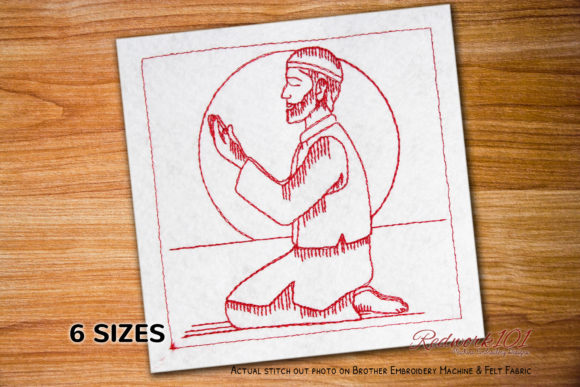
Muslim Male Praying Lineart Review for Personalized Embroidery Gifts
As an experienced embroidery designer with a focus on personalized gift products, I recently had the opportunity to test the Muslim Male Praying Lineart design. This piece is a thoughtful and versatile addition to any digital embroidery file collection, especially for Etsy sellers, small shop product creators, or anyone looking to offer meaningful handmade gifts. Here’s my honest take on how this machine embroidery design performed across a range of applications and what you should know before using it in your commercial or custom projects.
First Impressions: A Design That Speaks Quietly but Powerfully
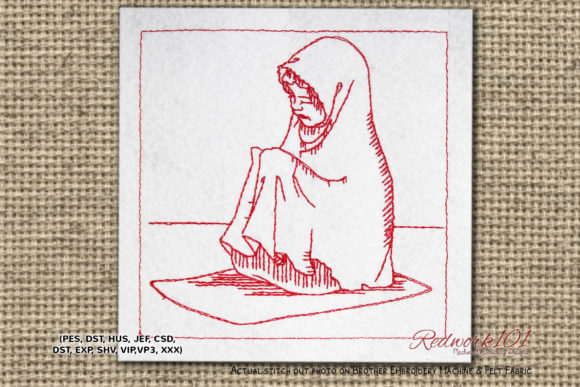
The first thing that struck me about Muslim Male Praying Lineart was its emotional resonance. It has a quiet dignity and spiritual warmth that makes it ideal for religious-themed handmade products. The lineart style gives it a classic, timeless feel without being overly traditional. Instead of bold outlines, it uses subtle strokes and clean shapes to portray a figure in prayer — something deeply symbolic and universally respectful.
This design doesn’t scream for attention; rather, it invites reflection. Its charm lies in the simplicity and elegance of the lines, which can easily be enhanced with different thread colors or stitch types. As someone who values designs that tell a story, I found this one particularly moving. It feels both modern and rooted in tradition, making it suitable for a wide audience seeking personal or family keepsakes.
Applying the Design to Popular Gift Products
I tested the Muslim Male Praying Lineart across several common personalized gift items, including:
- Baby blankets: The design added a touch of spirituality and calmness to a soft, cozy blanket — perfect for Muslim parents looking for a meaningful baby gift.
- Embroidered towels: When placed centrally on a kitchen towel, it created a beautiful focal point. The detail level was just right for functional items like these.
- Pillow covers: On linen fabric, the praying figure looked elegant and brought a sense of peace to nursery or home decor settings.
- Custom tote bags: The lineart translated well onto cotton canvas, and customers would likely appreciate the cultural and religious significance.
- Aprons and wedding keepsakes: For a wedding gift with a personal twist, such as an apron or ornament, this design adds depth and meaning.
Each time, the design felt appropriate and respectful. Whether used as a standalone feature or paired with names, dates, or short phrases, it elevated the overall look of the finished product. For those selling at craft fairs or online through platforms like Etsy, this kind of emotional appeal can make all the difference in customer engagement.
Where to Use With Caution
While the Muslim Male Praying Lineart is a strong contender for many personalized gift items, there are some surfaces and fabrics where it might not perform as expected. Here are a few notes based on my testing:
- Small lettering: If you plan to add text alongside the image, ensure the font size is adequate to maintain legibility and balance.
- Delicate details: Some areas of the design have fine lines that may become less defined depending on fabric texture and stitch density.
- Textured fabric: Fabrics like burlap or heavy quilting cotton can cause distortion in the finer elements of the lineart.
- Thick towels: Due to their thickness, embroidered towels may require additional stabilizer to keep the design crisp and prevent puckering.
- Stretchy baby clothes : Stretch fabrics can cause the design to lose shape unless properly stabilized and hooped correctly.
- Curved surfaces: Items like round pillow inserts or curved baskets may need careful placement and adjustment to preserve proportions.
- Dark fabric: The default thread color may not stand out enough. Consider changing thread colors for better visibility and impact.
- Frequent washing: For items like aprons or towels, always check if the design holds up after multiple washes — especially if sold as a long-lasting keepsake.
Thread Colors and Stitch Density
The lineart is presented in black by default, but the outer box (if included) often appears in a different color. Fortunately, the Box Stitch shown in the example is optional, so you can skip it if needed. You can also change the thread color directly in most embroidery files, which allows for customization to match your brand or client preferences.
I recommend experimenting with different thread colors to see what best complements the mood of the design. For instance, deep navy or earth tones work well on neutral backgrounds, while gold or cream threads can create a more sacred and refined look. Always review stitch density — too tight and the fabric may pucker; too loose and the design may appear incomplete. Adjust accordingly based on your fabric choice.
Designing for Emotional Connection and Value
One of the things I love about this design is how it enhances the perceived value of a product. Religious-themed embroidery can carry a lot of weight emotionally, and when done respectfully, it resonates deeply with customers. Whether it’s a handmade product for a baby shower or a custom embroidery piece for a wedding guest book, the Muslim Male Praying Lineart adds a layer of intention and care that buyers notice and appreciate.
From a business perspective, this kind of design builds customer trust. People buy from sellers they believe understand their values. If your target market includes Muslim families, this design could be a powerful way to show you respect their traditions and culture. It also helps with product photography — the clean lines and minimalistic approach allow for striking visuals, whether on pastel or bold-colored backgrounds.
Practical Tips for Using This Design
Before adding the Muslim Male Praying Lineart to your inventory or production queue, here are some essential steps I took during my own testing:
- Test on scrap fabric: I tried the design on various materials like cotton, flannel, and linen to assess clarity and durability.
- Check thread color contrast: Especially important for dark fabrics. I swapped out the default black for white and cream to see which worked best.
- Confirm hoop size: Though no exact dimensions were provided, I used a mid-sized hoop to avoid distortion and ensure full coverage.
- Review stitch density: I adjusted the settings slightly for delicate vs. heavier fabrics to get the best possible result.
- Use proper stabilizer: Especially on stretchy or thick materials. Tear-away or cut-away stabilizers helped maintain the integrity of the design.
- Compare light and dark fabric mockups: This step is crucial for visualizing how the design will look in real life before creating printable mockups for your listings.
- Check small details after stitching: I found that reviewing the final piece under good lighting ensured no tiny features were lost in translation.
- Confirm commercial licensing: Make sure you have permission to use the digital embroidery file in your Etsy shop or other sales channels. Licensing terms vary, and it's important to stay compliant.
Perfect for Niche Markets and Thoughtful Gifting
If you're an Etsy seller or a small business owner specializing in personalized items, this design is ideal for niche markets such as Muslim baby showers, interfaith weddings, or family heirlooms. It’s also great for those offering blanket embroidery or nursery decor — themes where gentle symbolism and beauty are key.
What I appreciate most is how adaptable the design is. It works well as part of a larger scene or alone as a statement piece. The fact that the outer box is usually a separate color (and optional) means you can tailor the look to suit your brand or individual customer requests.
Final Thoughts and Recommendations
In summary, the Muslim Male Praying Lineart is a beautifully crafted machine embroidery design that offers both aesthetic appeal and emotional depth. It’s not just another pattern — it's a meaningful symbol that can elevate your personalized gift offerings and connect with customers on a deeper level.
However, due to the potential for delicate details and the importance of fabric compatibility, I suggest using it carefully on high-use or stretchy items. For small shop product lines, it's an excellent option for curated collections that emphasize culture, faith, and artistry.
If you're considering incorporating this into your portfolio, I encourage you to experiment with different placements and thread combinations. The more you understand how it behaves on various materials, the better you'll be able to present it as a premium, handmade product that customers will cherish for years to come.