Pumpkins Growing on the Vine Redwork Review
As an embroidery designer who spends countless hours evaluating digital files for seasonal collections, I approach every new design with a mix of artistic appreciation and commercial pragmatism. When Pumpkins Growing on the Vine Redwork landed in my inbox, it immediately caught my attention not just for its aesthetic charm, but for its potential as a versatile asset in holiday product lines. This review breaks down why this specific machine embroidery design deserves a spot in your upcoming seasonal drops, how it performs across various mediums, and what practical considerations you must keep in mind before adding it to your catalog.
The First Impression: Nostalgic Charm Meets Modern Utility
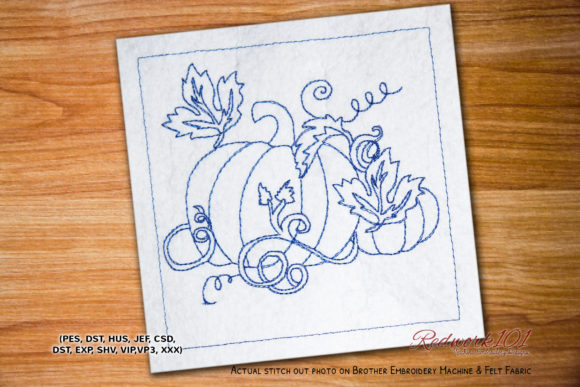
The moment you view Pumpkins Growing on the Vine Redwork, the emotional tone is unmistakable. It evokes a sense of rustic nostalgia that resonates deeply with customers seeking comfort during the colder months. The redwork style, characterized by its bold outlines and simple fill stitches, offers a clean, graphic look that translates beautifully to fabric. Unlike overly complex designs that can lose detail when stitched at smaller sizes, this piece maintains its integrity, making it ideal for a wide range of products.
For the Etsy seller or small shop product creator, the visual recognition factor is crucial. In a sea of generic pumpkin motifs, the vine structure provides a natural flow that feels organic rather than forced. It strikes a balance between festive and elegant. It is playful enough for children’s items yet sophisticated enough for home decor. The optional box stitch mentioned in the description adds a layer of customization; if the outer box color differs from the main design, it allows the maker to integrate the motif seamlessly into existing color palettes, whether that be classic autumn oranges, deep burgundies, or crisp whites.
Real-World Application: From Tote Bags to Table Linens
One of the strongest selling points of Pumpkins Growing on the Vine Redwork is its adaptability. When planning a seasonal embroidery collection, versatility is key to maximizing return on investment. Here is how this design shines across different product categories:
- Kitchen Towel Embroidery: The linear nature of the vine works perfectly on standard 18x28 inch kitchen towels. It frames the edge without overwhelming the space, creating a charming addition to any farmhouse-style kitchen.
- Tote Bag Design: For handmade gift bundles, placing this design on canvas totes creates a cohesive look. The sturdy fabric holds the stitches well, ensuring the thread colors remain vibrant after multiple uses.
- Sweatshirt Embroidery: As fall transitions into winter, this design can be adapted for crewnecks. Placed over the heart or on the back pocket, it offers a subtle nod to the season without being loud or obtrusive.
- Pillow Cover: On neutral linen or cotton pillow covers, the redwork stands out sharply. It serves as a centerpiece for home decor displays, inviting touch and interaction.
- Embroidered Patch: With proper backing, this design can be turned into a detachable patch, allowing customers to personalize jackets or bags themselves, adding value through interactivity.
Furthermore, in terms of marketing, this design lends itself to excellent printable mockup opportunities. Because of its clear lines and recognizable subject matter, it photographs well against various backgrounds, helping you create compelling social media previews that drive traffic to your listings.
Strategic Use in Holiday Selling Situations
When building a limited edition apparel line, grouping Pumpkins Growing on the Vine Redwork with complementary elements can boost average order value. Consider offering it as part of a family matching set, paired with simpler geometric shapes or text elements. For personalized gift offerings, the design’s simplicity allows for easy monogramming integration nearby, enhancing the perceived value of the item.
During craft fair displays, having physical samples of this design on different fabrics—such as denim, fleece, and cotton—helps demonstrate quality to potential buyers. Customers can see how the stitch density interacts with the fabric texture, building trust in your craftsmanship. Additionally, using this design in digital embroidery file bundles alongside other autumn motifs can attract buyers looking for comprehensive seasonal packs.
Where Caution Is Required: Technical Considerations
While the design is robust, no embroidery file is universally perfect. As a professional, I advise careful consideration of where this design should be used to avoid common pitfalls.
First, be mindful of small hoop sizes. While the design may scale down, intricate details within the vines might merge if stitched too small. Always test on the actual garment size before mass production. Similarly, avoid using this on items with tiny lettering nearby, as the visual weight of the pumpkins could compete with text, reducing readability.
Fabric choice is critical. Thick towels can cause needle breakage or uneven stitching if the stabilizer isn’t properly selected. Dark fabrics require high-contrast thread choices; ensure your thread colors are chosen carefully to maintain visibility. Metallic threads, while attractive, can be tricky with dense fills, so reserve them for accent areas only. Stretchy garments like spandex blends require a strong cut-away stabilizer to prevent puckering, which would distort the vine’s natural curve.
Additionally, consider the washing durability. Items that need repeated washing, such as aprons or daily-use totes, benefit from tighter stitch densities and fewer loose ends. If the design includes long running stitches, reinforce them to prevent snagging.
Impact on Seasonal Appeal and Brand Consistency
Incorporating Pumpkins Growing on the Vine Redwork into your portfolio does more than just add a product; it enhances your brand’s narrative. It signals to customers that you understand the nuances of holiday embroidery trends—favoring timeless styles over fleeting fads. This builds customer trust and encourages repeat business.
The design’s flexibility supports commercial embroidery strategies by allowing you to target multiple demographics simultaneously. A baby blanket version appeals to new parents, while a table runner version targets homeowners. By maintaining a consistent aesthetic across these varied products, you strengthen brand recognition. The emotional connection customers feel toward cozy, harvest-themed imagery drives engagement during peak shopping periods, making this a smart investment for your small business owner goals.
Practical Designer Notes for Success
To ensure the best results with this machine embroidery design, follow these essential steps:
- Test Thread Colors: Always stitch test on both light and dark fabrics to confirm contrast and vibrancy.
- Check Stitch Density: Verify that the density is appropriate for your chosen fabric to prevent stiffness or transparency.
- Confirm Hoop Size: Ensure your hoop accommodates the design dimensions with margin for trimming.
- Use Proper Stabilizer: Match the stabilizer type (cut-away vs. tear-away) to the fabric’s stretch and weight.
- Create Realistic Mockups: Before listing, produce high-quality images that show the design in context.
- Review Small Details: Zoom in on the digitized file to check for any unnecessary jumps or trims.
- Plan Color Palettes: Coordinate thread colors with your overall seasonal theme for a cohesive look.
- Confirm Licensing: Always verify commercial licensing terms before selling finished goods derived from the file.
In conclusion, Pumpkins Growing on the Vine Redwork is a valuable addition to any seasonal collection. Its blend of aesthetic appeal, technical reliability, and market versatility makes it a standout choice for creators looking to capitalize on the holiday rush. By paying attention to the technical details and strategic placement, you can transform this digital file into profitable, beloved physical products.