Veiled Grim Reaper Design Review
When I pull a new digital file into my embroidery software, I am rarely looking for just another graphic. As a designer who spends hours stabilizing fabrics and troubleshooting tension issues, I need to know if a design will hold up in the real world. Today, I am evaluating the Veiled Grim Reaper Design, a piece that sits squarely in the Halloween category but has potential far beyond seasonal novelty. This review is not about whether the image looks good on a screen; it is about how this machine embroidery design behaves under the needle, how it translates to physical products, and whether it deserves a spot in your commercial or personal project library.
First Impressions: Mood and Visual Personality
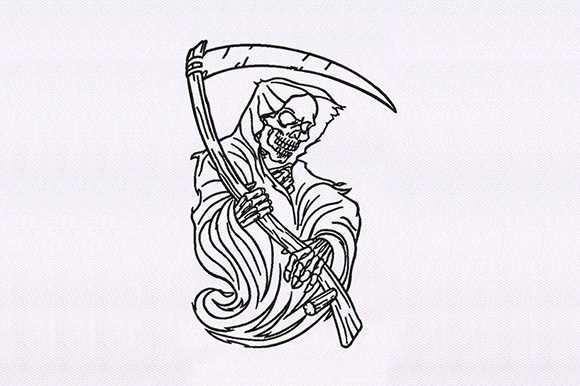
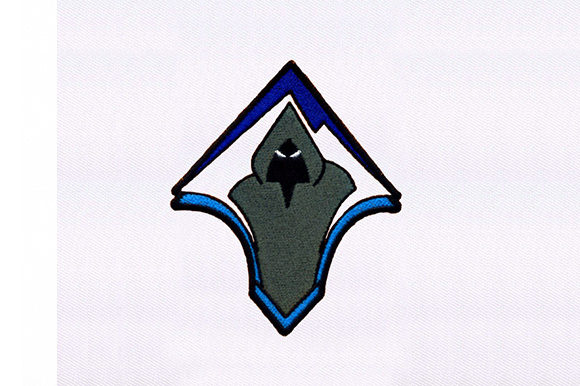
The moment you open the embroidery file, the mood is established immediately. The Veiled Grim Reaper Design leans heavily into gothic elegance rather than cartoonish horror. For an Etsy seller or small business owner, this distinction is critical. It appeals to a demographic that appreciates dark aesthetics without being overly aggressive or juvenile. The visual personality is moody, mysterious, and sophisticated.
In terms of layout, the design relies on strong silhouettes. The flowing lines of the veil and robe suggest movement, which is excellent for embroidery because it allows for creative use of fill stitches and satin borders. It does not feel cluttered. This clean composition means that when digitized correctly, the design will stitch out with clarity. There are no unnecessary micro-details that might get lost in the fabric or cause thread breaks. It feels like a design built by someone who understands the limitations and strengths of thread as a medium.
Real-World Application: Where Does It Fit?
I recently imagined using this design for a custom order—a heavyweight cotton canvas tote bag for a client who runs a local occult shop. The Veiled Grim Reaper Design fits this context perfectly. When placed centrally on a black or deep charcoal tote, the contrast would be striking. The design works exceptionally well as a standalone statement piece on larger items where the viewer has time to appreciate the texture of the stitching.
Beyond totes, consider its application on apparel. A crewneck sweatshirt in a heather grey or washed black would elevate this design from a costume prop to a wearable art piece. The sweatshirt embroidery market is saturated with generic skulls and bats, but a refined reaper silhouette offers a unique selling point. It also translates beautifully to embroidered patches. If you are creating iron-on or sew-on badges for denim jackets or backpacks, the defined edges of this design ensure it remains legible even at smaller scales.
For those interested in home decor, imagine this design on a velvet pillow cover or a heavy linen tea towel. The thematic weight of the grim reaper adds a touch of drama to kitchen textiles, especially during autumn months. However, its versatility extends past Halloween. Because the design is stylized rather than literal, it can serve as a year-round accessory for individuals who enjoy goth, punk, or alternative fashion styles.
Technical Performance and Stitch Behavior
As a reviewer, I look closely at how the design handles different stitch types. The Veiled Grim Reaper Design likely utilizes a mix of fill stitch for the robes and satin stitch for outlines and facial features (if visible) or veil edges. This combination is generally robust. Fill stitches provide coverage and texture, while satin stitches offer crisp definition.
However, attention must be paid to stitch density. If the original digitization packs the stitches too tightly, the fabric may pucker, especially on lightweight materials. Conversely, if the density is too low, the underlying fabric may show through, ruining the professional finish. Before committing to a production run, always test the design on scrap fabric that matches the weight and stretch of your final product. Check the thread colors carefully; high contrast between the veil and the robe helps define the shape, but subtle tonal variations can add depth if your machine supports multi-color threading efficiently.
The design’s compatibility with various formats listed—such as PES, DST, JEF, and EXP—means it is accessible to most modern machines. This wide support is a practical advantage for designers who work with multiple clients or share files within a team. Whether you are working on a single-head home machine or a multi-needle commercial setup, the file structure should allow for smooth execution.
Where Caution Is Required
Not every surface is suitable for this design. I would advise against placing the Veiled Grim Reaper Design on highly textured fabrics like bouclé or thick terry cloth, as the details may become obscured. Similarly, thin or slippery fabrics like silk or rayon require exceptional stabilization techniques to prevent distortion. The design’s size matters, too; attempting to embroider this on a very small hoop size might result in a loss of character, making the figure look cramped.
Avoid curved surfaces like baseball caps unless you have extensive experience with cap hoops and rigid backing. The complexity of the veil and robe requires a relatively flat plane to maintain its intended aesthetic. On curved areas, the design may distort, leading to a less-than-professional appearance that could hurt your brand reputation.
Impact on Product Value and Branding
Using a well-executed design like this elevates the perceived value of your finished product. Customers are willing to pay more for items that look professionally made. The Veiled Grim Reaper Design signals attention to detail. When a buyer sees clean stitches, proper alignment, and no loose threads, their trust in your craftsmanship increases. This is vital for craft business owners who rely on repeat customers and positive reviews.
Furthermore, the design’s aesthetic aligns well with current trends in personalized gifts. People often seek unique items for themselves or friends who have niche interests. A custom embroidered hoodie featuring this design feels special and curated. It stands out in a crowded marketplace compared to mass-produced graphics. For digital product sellers, offering mockups of this design on various products can help visualize its potential, increasing conversion rates for your own digital assets.
Practical Designer Notes for Implementation
To ensure success with the Veiled Grim Reaper Design, follow these practical steps:
- Test First: Always stitch a sample on your actual target fabric. Observe how the stabilizer interacts with the material. Remove the stabilizer and check for puckering or stiffness.
- Check Contrast: View your design in black and white mockups to ensure the shapes remain distinct regardless of color choices. This helps verify the design’s structural integrity.
- Verify Licensing: Before selling any finished items, confirm the licensing terms. Ensure you have the right to use the design for commercial purposes, especially if you are producing goods for resale on platforms like Etsy or Shopify.
- Inspect Details: Zoom in on the digital file to inspect small details. Are there any overlapping stitches that might cause thread jams? Are the angles appropriate for your machine’s capabilities?
- Consider the Audience: Think about who will wear or use the item. Is it appropriate for a gift? Does it fit the style of your boutique? Understanding your customer base will guide your marketing and placement decisions.
In conclusion, the Veiled Grim Reaper Design is a versatile and visually compelling choice for designers seeking to add a touch of gothic elegance to their repertoire. Its strong silhouette and adaptable nature make it suitable for a wide range of applications, from apparel to home decor. By paying attention to technical details like stitch density and fabric choice, you can create high-quality finished products that resonate with customers and stand the test of time. It is a solid addition to any embroidery project library, offering both artistic appeal and commercial viability.