Smiling Tornado Design Review
Setting up a booth for a weekend craft fair is equal parts excitement and anxiety. You spend weeks curating your handmade product line, ensuring every stitch is perfect, and hoping that when customers walk by, something stops them in their tracks. As an experienced embroidery designer who has turned countless digital files into physical goods, I know that the difference between a design that sits on the shelf and one that flies off it often comes down to visual impact, production practicality, and how well it translates across different materials.
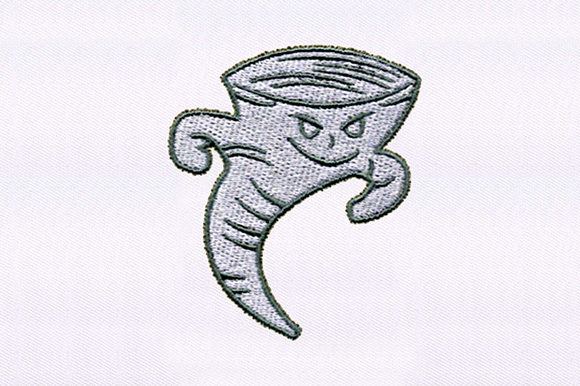
Today, I am reviewing the Smiling Tornado Design, a machine embroidery design categorized under Games and Embroidery. My goal here is not just to describe the file, but to evaluate its potential as a best-selling item for Etsy sellers, boutique makers, and anyone looking to expand their commercial embroidery inventory. Let’s dive into how this design performs in the real world of handmade markets.
First Impressions and Visual Appeal
The title Smiling Tornado Design immediately suggests a blend of whimsy and personality. In the crowded landscape of craft fair products, you need designs that communicate a mood instantly. A tornado is typically associated with chaos or power, but adding a "smiling" element flips the script entirely. It suggests resilience, humor, and a touch of farmhouse charm.
From a design perspective, this creates a strong focal point. When customers are browsing a table laden with aprons, tote bags, and pillows, they are drawn to items that evoke an emotional response. This design likely balances bold shapes with playful details, making it versatile enough to fit into modern rustic, farmhouse, or even slightly quirky aesthetic niches. For an Etsy seller listing printable mockups or finished goods, this kind of character-driven design stands out against more generic floral or geometric patterns.
Product Versatility: Where Does It Shine?
One of the most critical questions for any embroidery file is versatility. Can it work on multiple substrates without losing its integrity? The Smiling Tornado Design appears to have the structural balance required for a wide range of small shop products.
- Tote Bag Design: Canvas totes are a staple at craft fairs. A smiling tornado on a natural or denim canvas creates an instant statement piece. It works well as a central chest placement or a large back print. The contrast of thread against sturdy fabric highlights the texture of the stitches.
- Apron Embroidery: Kitchen aprons are giftable and highly functional. Placing this design on the bib or lower pocket area adds a splash of fun to a utilitarian item. It appeals to home cooks who appreciate humor in their kitchen decor.
- Tea Towel Embroidery: Linen or cotton tea towels offer a smooth surface that allows for clean stitch definition. If the design features solid fill areas rather than overly complex satin edges, it will look premium and polished on a towel.
- Embroidered Patch: This design could easily be digitized or used as-is to create iron-on patches. Patches are low-cost entry points for buyers and can be attached to hats, backpacks, or jackets, expanding the reach of your design assets.
- Pillow Covers and Market Bags: These larger surface areas allow the design to breathe. A large-scale application on a throw pillow makes for a cozy, inviting accent piece that photographs beautifully for online listings.
Production Practicality and Technical Considerations
As a designer, I always advise testing before mass production. While the Smiling Tornado Design supports a vast array of formats—including PES, JEF, DST, VP3, HUS, XXX, and many others—the actual performance depends on the digitization quality. Here are key technical factors to consider:
Stitch Density and Fabric Texture
The stitch density is crucial. If the tornado swirls are too dense, they may pucker thin fabrics like lightweight tees or delicate linen. Conversely, if the density is too light, the design may look sparse on textured towels. Always test on scrap fabric that matches your final product material. Pay attention to how the threads lay on fabric texture; ribbed or nubby fabrics can obscure small details.
Hoop Size and Placement
Confirm the recommended hoop size for this file. A design that requires a large hoop might limit where you can place it on certain items, such as near the seams of a tote bag or the cuff of a cap. Ensure your workspace and hooping skills align with the dimensions of the design to avoid misalignment during production.
Thread Colors and Contrast
The visual impact relies heavily on thread colors. A bright yellow smile against a dark blue background will pop, while a pastel yellow on white may get lost. Experiment with color palettes that match current trends. For a farmhouse look, try muted earth tones; for a playful vibe, use primary colors.
Stabilizer Selection
Never underestimate the importance of the right stabilizer. Cut-away stabilizers are generally safer for stretchy knaps or heavy items like caps, while tear-away works well for stable wovens like aprons. Using the wrong stabilizer can lead to puckering or distortion, ruining the finished product value.
Marketing and Sales Strategy
How do you sell the Smiling Tornado Design? The narrative is part of the product. Position it as a symbol of overcoming challenges with a smile—a metaphor that resonates deeply with buyers. Use this angle in your Etsy listings and social media posts.
Create high-quality printable mockups to visualize the design on various products before you sew them all. This helps customers see the potential and increases conversion rates. Show the design on a tote bag next to coffee beans, on an apron in a styled kitchen, or on a patch attached to a denim jacket. Context sells.
For batch production, ensure the design is efficient. If it has excessive trims or long jump stitches, it will increase hoop times and reduce your profit margins. Check the file structure to ensure it minimizes waste and maximizes speed.
Careful-Use Notes and Best Practices
Before you start printing labels and setting up your booth, keep these precautions in mind:
- Test First: Always run a test stitch-out on the exact fabric you plan to sell. Inspect for loose threads, puckering, or registration issues.
- Check Licensing: Confirm commercial licensing terms. Just because you own the digital embroidery file does not automatically grant rights to sell unlimited quantities of finished goods. Verify what is permitted.
- Avoid Tiny Details: If the design includes very fine lines or tiny text, be cautious about scaling it down. Small details can disappear or become muddy, especially on curved surfaces like caps or pouches.
- Dark Fabric Caution: If embroidering on dark fabrics, ensure the design has adequate coverage or uses underlay stitches to prevent show-through from the base fabric.
Final Verdict
The Smiling Tornado Design offers a compelling mix of personality and versatility. It is well-suited for craft fair sellers looking to add unique, conversation-starting items to their inventory. Its adaptability across totes, aprons, and patches makes it a valuable asset for any embroidery business owner.
By paying close attention to technical details like stitch density, hoop size, and stabilizer choice, you can ensure that every handmade product you create meets professional standards. With the right presentation and strategic marketing, this design has the potential to become a standout hit in your shop.
Remember, success in the handmade market isn't just about the product; it's about the story and the quality behind it. Let the Smiling Tornado Design bring a smile to your customers' faces and your sales figures up!