Pineapple House in Garden Redwork: A Designer’s Real-World Review
As an embroidery designer and product reviewer with years of experience, I approach new machine embroidery designs with a critical eye. The Pineapple House in Garden Redwork caught my attention not just for its whimsical charm but for how it could translate into real-world projects. Let me walk you through what I saw when I first unzipped the digital file and began considering where this design might shine—and where it might need some careful handling.
First Impressions: Whimsy Meets Simplicity
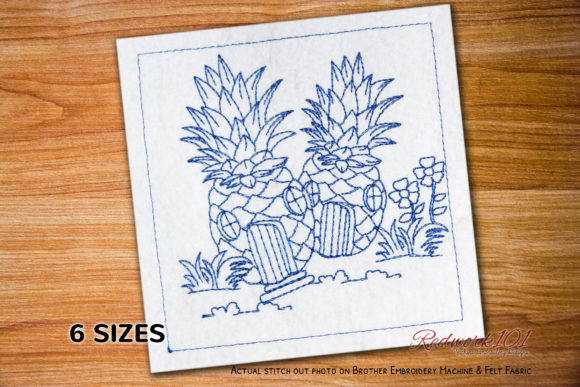
The Pineapple House in Garden Redwork has a classic redwork feel—clean lines, monochromatic thread colors, and a gentle sense of nostalgia. It's not over-the-top busy, which is a relief for someone who often deals with intricate or overly detailed embroidery files that can be hard to manage. The pineapple house itself feels like a storybook scene, perfect for the Fairy Tales category. The layout is balanced, with enough detail to make it visually engaging without overwhelming the fabric.
I immediately imagined this on a custom sweatshirt for a child’s birthday party or as part of a holiday gift set. The design seems to carry a warm, playful mood, making it ideal for products aimed at families, kids, or themed handmade items. Its silhouette is friendly and inviting, suggesting a cozy home nestled in nature—an image that resonates well across various demographics.
Real-Life Application: What Works Best?
Let’s talk about practical use. This design is versatile, but it’s not one-size-fits-all. Here are a few scenarios where it shines:
- Tote Bag Design: On a cotton canvas tote, the Pineapple House in Garden Redwork adds a charming focal point. The running stitch outlines work beautifully here, giving a hand-stitched look that appeals to buyers looking for artisanal details.
- Sweatshirt Embroidery: Placed on the front chest area of a hoodie, this design becomes a standout feature. Its moderate size and soft curves complement the relaxed fit of casual apparel, especially if you're targeting the boutique or Etsy seller market.
- Baby Embroidery: The gentle theme fits perfectly on baby clothes or nursery decor. I see it embroidered on a onesie or a pillow cover in a gender-neutral palette, adding a subtle touch of fantasy without being too bold.
- Embroidered Patch: As a patch, the design offers a compact version of its original charm. If you’re selling patches online or using them for DIY kits, the structure holds up well and remains recognizable even when scaled down.
- Tea Towel or Apron Decor: For kitchen textiles, the redwork style gives a vintage flair that many crafters love. The design’s simplicity makes it easy to pair with other elements like floral borders or script lettering, creating cohesive handmade product sets.
In all these cases, the key factor is the background fabric. Because redwork relies heavily on contrast, a light-colored base—especially white or cream—will make the design pop. Darker fabrics may still work if the thread color is vibrant enough, but I’d recommend testing a small section first.
Where Caution Is Needed
While the Pineapple House in Garden Redwork is lovely, there are certain situations where it needs more thought before use:
- Small Hoop Sizes: The design includes several small corners and curved sections. If you're working with a hoop smaller than recommended (which isn’t specified), some of those delicate parts might get lost or distorted.
- Textured or Stretchy Fabrics: The stitching clarity can be affected by fabric texture. Avoid stretchy materials unless you adjust the stitch density and add proper stabilizer. Otherwise, the pineapple shape may pucker or warp after washing.
- Dense Stitch Areas: The roof and windows have tighter fill stitches. On thin or loosely woven fabrics, this can cause puckering or damage. Consider reducing the stitch density slightly for better results.
- Curved Surfaces: When using it on caps or curved surfaces, distortion is likely unless the design is specifically adapted for such applications. Always do a test run on a scrap piece of the same material.
- Products That Require Frequent Washing: If you plan to use this on baby clothes or kitchen towels, make sure the design doesn't rely on fragile satin stitches. Opt for a stronger running stitch or reinforce areas with backstitching to maintain durability.
Also, the outer box mentioned in the description should be treated carefully. Since it's optional and changes color depending on the design, it’s important to confirm whether it's integral to the visual appeal or something you can safely omit. Skipping the box entirely could change the composition, so consider how that affects your final product.
Visual Appeal and Branding Potential
One of the strengths of the Pineapple House in Garden Redwork is its ability to enhance the visual appeal of any project it's applied to. The imagery evokes warmth, imagination, and a hint of tropical whimsy, which can elevate your handmade product offerings. For Etsy sellers, this kind of design can boost buyer engagement, especially during the holidays or when paired with seasonal accents.
It also contributes positively to customer trust. Clean, intentional embroidery speaks to professionalism and quality. Whether you're making personalized gifts or commercial embroidery items, the Pineapple House in Garden Redwork adds a level of sophistication that aligns well with both small shop product branding and high-end boutique merch.
For craft business owners, this design is great for building brand consistency. Use it as a recurring motif on packaging, tags, or even in printable mockups to create a signature aesthetic. The nostalgic feel of redwork can also help your products stand out in a sea of modern digital prints.
Designer Notes: Practical Tips for Use
Here are some tips I’ve learned from working with similar embroidery files that apply directly to the Pineapple House in Garden Redwork:
- Test on Scrap Fabric First: Especially if you're planning to scale the design or adapt it for different uses, always try it out on a sample piece before committing to production.
- Check Thread Color Contrast: While red is a strong choice, don’t assume every fabric will show it off equally. Try it on both light and dark backgrounds to ensure visibility.
- Review Stitch Density: Adjust fill and running stitches based on fabric weight. Too dense and you risk puckering; too loose and the design loses definition.
- Confirm Hoop Size: Without specific hoop recommendations, it's best to err on the side of caution. Larger hooping gives more room for movement and prevents stretching-related issues.
- Inspect Small Details: Look closely at the garden elements and architectural features. These tiny touches can either make or break the overall impression of your finished product.
- Use Proper Stabilizer: Backing tape or cut-away stabilizers are essential for preventing distortion, especially if you're embroidering on stretchy or thin materials.
- Consider Black-and-White Mockups: Before printing labels or creating previews, test the design in grayscale. This helps identify potential visibility issues on colored or patterned bases.
- Compare Light vs. Dark Backgrounds: Some elements may appear differently depending on the fabric color. Test variations to choose the most effective presentation.
- Check Licensing Before Selling: If you're using this design for commercial purposes, confirm the licensing terms. Many free or cheap digital embroidery files restrict resale of the finished item or require attribution.
A Note on Detail Corners and Lettering
If your design includes any additional text or corner embellishments, ensure they’re compatible with the existing layout. The Pineapple House in Garden Redwork has a clear central focus, so extra lettering or symbols should be placed thoughtfully to avoid clutter. Tiny lettering near the base or within the garden might lose clarity unless the font is bold and the stitch count is adjusted accordingly.
Final Thoughts: A Thoughtful Addition to Your Embroidery Kit
The Pineapple House in Garden Redwork is a design that brings character and charm to a wide range of embroidery projects. From custom apparel to personalized gifts, it has the potential to become a staple in your creative repertoire. However, like any good design, it requires a bit of care and consideration to ensure it looks its best in the final product.
When used appropriately, this design enhances the product value and giftability of items you offer. It’s particularly suited for holiday embroidery or nursery decor, where a touch of fantasy and comfort go hand in hand. As a professional, I appreciate how it balances detail with readability—a rare and valuable trait in today’s fast-moving craft market.
So yes, if you're looking for an embroidery design that tells a story while staying true to the principles of good design, the Pineapple House in Garden Redwork is worth your time. Just remember to tailor it to your materials, test it thoroughly, and let its natural charm guide your creative choices.