Lines Border Quilting Review
As an embroidery designer who spends half my life troubleshooting stitch errors and the other half obsessing over how a design translates to fabric, I am always scanning for files that balance structure with style. When browsing Creative Fabrica embroidery collections, I look for versatility. A design needs to work as hard on a heavy cotton hoodie as it does on a structured tote bag. This is where Lines Border Quilting caught my eye. It promises a clean, geometric aesthetic that feels both modern and timeless, making it a strong candidate for boutique apparel lines.
First Impressions: Visual Personality and Mood
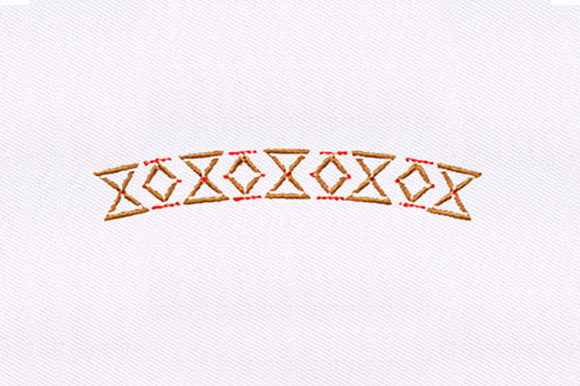
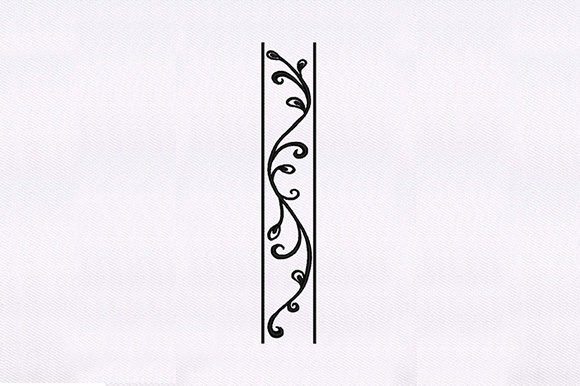
The moment you open the file in your digitizing software, the personality of Lines Border Quilting reveals itself. It is not loud or chaotic; instead, it exudes a quiet confidence. The visual mood is minimalist yet decorative, leaning heavily into a chic, urban-rustic vibe. For designers building a boutique brand, this distinction is crucial. You want designs that elevate a garment without overwhelming it.
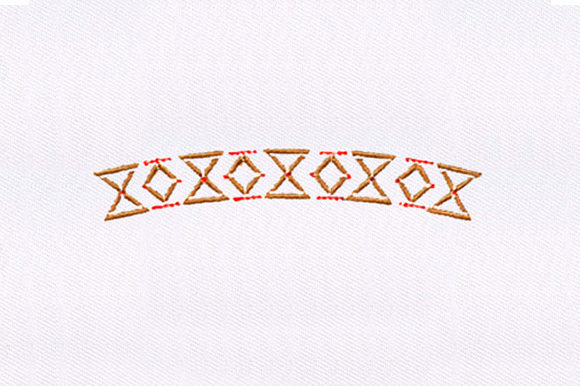
The stitching pattern mimics the classic quilting line but with a sharper, more contemporary edge. It feels premium because of its precision. Unlike free-form swirls that can look messy on fleece, these straight, parallel lines offer a sense of order and craftsmanship. Whether you are aiming for a feminine, soft aesthetic or a bold, gender-neutral streetwear look, this border adapts well. It is playful enough for a youth market but sophisticated enough for a high-end lifestyle brand. The detail level is moderate, meaning it captures attention from a distance while rewarding closer inspection with texture.
Applying Lines Border Quilting to Apparel Projects
I recently conceptualized a small collection of sweatshirts and hoodies to test how this machine embroidery design would perform in real-world applications. Here is how Lines Border Quilting translated across different garments:
- Sweatshirt Embroidery: On neutral heather grey sweatshirts, the border creates a striking contrast if stitched in a contrasting thread color. It frames the chest area beautifully, acting as a subtle logo placeholder or a standalone statement piece.
- Hoodie Chest Placement: Placed horizontally across the upper chest, the design adds structure to the soft drape of a hoodie. It prevents the garment from looking too casual, pushing it into the realm of "designer" streetwear.
- Sleeve Accents: Running the border down the outer seam of a sleeve is a trendy move right now. It elongates the arm and adds a professional finish to oversized fits.
- Back Designs: For a bolder statement, placing a larger version of the border across the upper back works exceptionally well on dark apparel. It catches the light differently depending on the angle, adding depth to the finished product.
- T-Shirt Embroidery: On lightweight tees, use caution. The density must be appropriate for thin cotton to avoid puckering, but when done right, it adds a touch of luxury to basic blanks.
- Denim Jackets: Denim provides a sturdy base for this design. The rigid fabric holds the straight lines perfectly, resulting in a crisp, industrial-chic look.
Beyond Clothing: Lifestyle Products
One of the strongest selling points of Lines Border Quilting is its adaptability beyond clothing. For Etsy sellers and digital creators, this design is gold. It looks stunning on canvas tote bags, providing a clean frame for quotes or logos. It also works beautifully on cozy seasonal items like beanies or scarves, where the linear texture contrasts nicely with knit fabrics. When creating printable mockups for your shop, this border adds instant polish to digital presentations, helping customers visualize the final handmade product.
Strategic Considerations and Limitations
No design is perfect for every scenario. As a professional, I advise reviewing where this embroidery file might struggle. Lines Border Quilting relies on consistent tension and straight runs. Therefore, it requires careful placement.
Avoid small chest placements on very stretchy fabrics unless you have stabilized them impeccably. The straight lines can distort if the fabric stretches during stitching, leading to wavy results. Similarly, ribbed cuffs or collars are poor candidates because the fabric’s natural ridges interfere with the machine’s ability to lay flat stitches. Dark garments require high-contrast thread choices; a low-contrast thread might get lost in the texture of thick fleece. Finally, curved surfaces like the shoulders of a tight-fitting tee can cause hoop marks or distortion. Always inspect the stitch density before committing to production on delicate materials.
Impact on Brand Identity and Value
In the world of custom apparel, presentation is everything. Using a well-digitized design like Lines Border Quilting directly affects buyer trust and product recognition. A clean, precise border signals quality. It tells the customer that attention was paid to detail. This visual consistency strengthens your boutique brand identity, making your products instantly recognizable in a crowded marketplace. When customers see professional-grade embroidery, they perceive higher value, which justifies premium pricing. Furthermore, aesthetically pleasing embroidery drives social media engagement. Customers love sharing photos of their new gear, and a sharp, stylish border is photogenic, encouraging organic marketing through user-generated content.
Practical Designer Notes for Production
Before you run this design on your first commercial order, follow these essential steps to ensure success:
- Test on Scrap Fabric: Never skip this step. Run the design on the exact fabric type you plan to use for the final product.
- Check Stabilizer Choice: Heavy fleece may need cut-away stabilizer, while lighter knits might do well with tear-away. The wrong choice will ruin the stitch density and alignment.
- Review Thread Color Contrast: Ensure the thread stands out against the fabric. Test multiple shades to find the best visual pop.
- Confirm Hoop Size: Verify that the design dimensions fit comfortably within your machine’s hoop capabilities, allowing room for proper stabilization.
- Inspect Stitch Density: Look closely at the digitizing. Are there any overly dense areas that might cause needle breakage or fabric bunching?
- Compare Placement Options: Sketch out different layouts on your garment to see what feels balanced.
- Check Licensing: Review the Creative Fabrica product details carefully. Confirm the licensing terms for commercial use before selling finished apparel to ensure you are protected.
Lines Border Quilting offers a versatile, high-quality solution for decorators looking to add a touch of modern elegance to their collections. Its clean lines and adaptable nature make it a valuable asset for any digital embroidery file library. By understanding its strengths and respecting its limitations, you can create standout pieces that resonate with your audience and elevate your business.