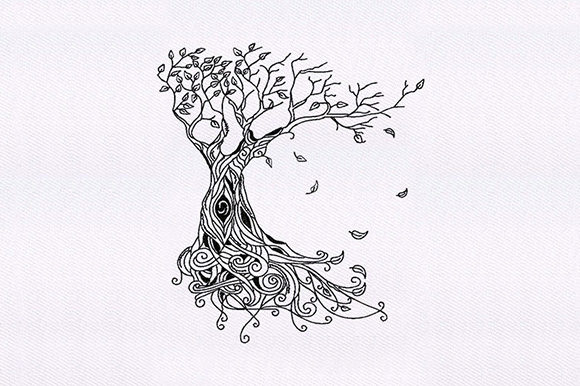
Intricate Tree Leave Design Review
As an embroidery designer who spends weekends setting up booths at craft fairs and managing a handmade shop online, I have learned one hard truth: visual clarity sells. Customers do not stop to read technical specifications. They stop because something catches their eye, feels tactile, and promises quality. When I pulled up the Intricate Tree Leave Design, my first thought was not about stitch counts or file formats, but about how this would look on a table covered in linen under natural sunlight. This review breaks down whether this digital asset is worth your time, hoop space, and thread inventory for your next market run.
First Impressions: The "Forest" Aesthetic
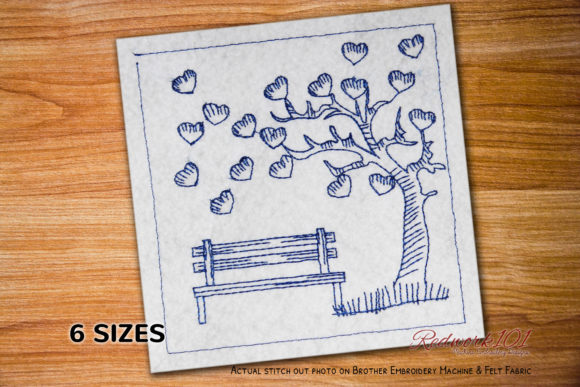
The category label "Forest" suggests a rustic, organic vibe, which is currently dominating the handmade market. The title Intricate Tree Leave Design implies a high level of detail. In the world of machine embroidery, "intricate" can be a double-edged sword. It promises beauty, but it also risks muddiness if the stitch density is too high or the scale is too small. Based on the description, this design likely leans toward an elegant, botanical aesthetic rather than a minimalist or cartoonish style. For the modern crafter selling to customers who love farmhouse decor, cottagecore fashion, or nature-inspired accessories, this fits squarely into the premium, decorative niche.
When I imagine this design on a product, I see soft, earthy tones. It feels like it belongs on neutral backgrounds—cream canvas, sage green linen, or raw cotton. It does not scream for attention with neon threads; instead, it whispers quality. This subtlety is exactly what makes a craft fair product stand out in a sea of loud, mass-produced items. It signals that the maker cares about detail.
Product Potential: Where Does It Shine?
Not every embroidery file works on every item. To maximize sales, you need to match the design’s scale and complexity to the right handmade product. Here is where Intricate Tree Leave Design will likely perform best:
- Tote Bags and Market Bags: This is the bread and butter of any booth. Placing the design centrally on a sturdy canvas tote allows the intricate details to breathe. The contrast between the structured bag and the organic leaf pattern creates a sophisticated look that appeals to daily commuters and eco-conscious shoppers.
- Apron Embroidery: Chest-area placement on a denim or white apron offers a perfect canvas. The design adds a touch of elegance to kitchen wear without overwhelming the garment. It transforms a utilitarian item into a giftable piece.
- Tea Towel Embroidery: Kitchen textiles are impulse buys. If the design is sized correctly, it adds a focal point to a tea towel. However, beware of the fabric texture; rougher weaves can obscure fine stitches.
- Embroidered Patch Applications: You can digitize this as a patch to apply to caps, backpacks, or children’s clothing. This expands your reach beyond just embroidered goods to accessory customization.
- Pillow Covers and Home Decor: For higher-ticket items, a larger version of the design on a lumbar pillow can serve as a statement piece. This elevates your brand from "cheap crafts" to "boutique home goods."
Avoid placing this design on curved surfaces like baseball caps unless you are highly experienced with cap hoops. The curvature can distort the "intricate" nature of the leaves, making them look squashed or unclear. Stick to flat or slightly curved surfaces for the best visual impact.
Photography and Online Listings
For the Etsy seller or anyone using social media marketing, photography is half the battle. An intricate design requires good lighting to show off its depth. When creating your printable mockup or photographing samples, ensure you use natural light. Avoid harsh flash photography, which can wash out the thread colors and hide the texture of the stitching. Close-up shots that show the individual stitches help prove the quality of the workmanship, reassuring buyers that they are paying for a finished product made with care.
Production Practicalities: What Sellers Need to Know
Before you start churning out batches of small shop products, you must address the technical realities of machine embroidery. Complexity equals production time. An Intricate Tree Leave Design will take longer to stitch than a simple monogram. This affects your pricing strategy and your hourly wage.
Stitch Density and Clarity: The term "intricate" often means higher stitch density. While this looks great, it can make the fabric stiff. Test the design on your actual product fabric. If the backing becomes too rigid, customers may find the item uncomfortable. Additionally, check for tiny details. If the leaves have very thin stems or small gaps, these areas might fill in with thread during stitching, losing the intended shape. Always inspect the design closely before committing to a full production run.
Fabric and Stabilizer Choices: The choice of stabilizer is critical. For a detailed botanical design, a cut-away stabilizer is usually safer than a tear-away, especially for stretchy fabrics or items that will be washed frequently. It provides long-term support and prevents the intricate details from puckering over time. Also, consider the fabric texture. Smooth cottons and linens will render the finest details. Rough burlap or heavy denim might require a larger design size to ensure the details remain visible.
Thread Contrast: Since the design is intricate, low-contrast thread colors (e.g., dark green on black) can cause the details to disappear. Choose threads that pop against your base fabric. Light greens on navy blue, or golds on cream, will highlight the leaf structure much better than subtle tonal variations.
Technical Verification
The product description lists a wide array of embroidery file formats: 10O, ART, CND, DSB, DST, DSZ, EXP, HUS, JEF, PCS, PEC, PES, TAP, VIP, VP3, XXX. This versatility is excellent, allowing you to use the design across different brands of machines, from domestic hobbyists to industrial multi-head embroiderers. However, always verify the hoop size requirements for your specific machine model. If the design exceeds your maximum hoop area, you will need to re-digitize or resize it, which can compromise the "intricate" quality. Furthermore, confirm the commercial licensing terms. Just because you bought the file does not automatically grant you the right to sell unlimited quantities of finished goods. Check the license agreement to avoid legal issues.
Final Verdict: Is It Worth the Hoop Time?
The Intricate Tree Leave Design has strong potential for the current market trends favoring nature-inspired, high-quality handmade goods. Its success depends entirely on execution. If you pair it with the right fabrics, proper stabilizers, and thoughtful product choices like totes and aprons, it can become a bestseller at your booth or online store.
To succeed, treat this as a professional project. Do not skip the test runs. Stitch it on scrap fabric first. Inspect the stitch density under magnification if necessary. Ensure the design assets translate well to your physical product. By focusing on quality control and strategic placement, you transform a digital file into a tangible, desirable commercial embroidery item that customers will want to buy and display.
Remember, in the handmade market, your reputation is built on consistency and detail. Let the Intricate Tree Leave Design showcase your skill, but let your business practices ensure your profitability. Start small, test thoroughly, and watch your booth engagement grow.