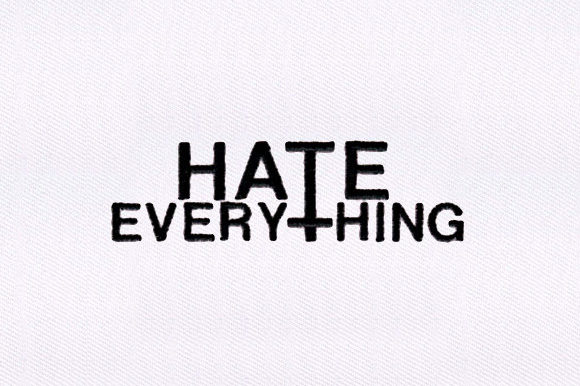
Hate Everything Text Embroidery Design Review
As an embroidery designer who has spent years refining stitches and testing fabrics, I approach every new digital file with a mix of excitement and skepticism. When I first pulled up the Hate Everything Text machine embroidery design for review, my initial reaction was one of curiosity. In a market saturated with sweet florals, elegant script, and traditional monograms, a design with such blunt, modern sentiment stands out immediately. But does it translate well into a sellable product? Can it hold up in real-world use? Today, I am breaking down exactly how this design performs as a personalized gift item, specifically within the Family category.
First Impressions: Mood and Emotional Appeal
The moment you load the Hate Everything Text embroidery file into your software, the aesthetic speaks for itself. It is not subtle. It carries a mood that is simultaneously playful, rebellious, and deeply relatable. For the modern crafter or Etsy seller, this design taps into a growing trend of "anti-perfectionism" in home decor and apparel. It feels less like a traditional keepsake and more like a statement piece.
From a design perspective, the charm lies in its boldness. Whether it is intended to be humorous or genuinely expressive, the text commands attention. It avoids the delicate, overly romantic vibes of classic wedding designs, opting instead for a modern, perhaps even slightly edgy, tone. This makes it incredibly versatile for specific niches. It is perfect for the customer who wants something that says, "I love my family, but let’s keep it real." The emotional appeal here is strong because it resonates with people who value authenticity over polished perfection. It feels handmade in spirit, even if it is stitched by a machine, giving it a unique character that mass-produced goods lack.
Product Applications: Where This Design Shines
When planning a line of personalized gifts around the Hate Everything Text design, I immediately see potential across several high-demand categories. Here is how I envision this working for small business owners and crafters:
- Baby Embroidery and Nursery Decor: There is a huge market for nursery items that break away from pastels and bunnies. Using this design on a neutral-colored baby blanket or a linen pillow cover can create a striking contrast. It appeals to parents with a sense of humor who want their child’s room to reflect their own personality.
- Kitchen Towels and Aprons: This is arguably the strongest application. An embroidered towel featuring this sentiment is a fantastic housewarming gift or a bridal shower present for couples who enjoy cooking together (and complaining about it). It adds a touch of wit to the kitchen, making it a memorable personalized gift.
- Wedding Gifts and Keepsakes: While not a traditional romantic design, it works beautifully for grooms’ parties, bachelor/bachelorette gifts, or as a funny addition to a groom’s apron. It breaks the mold of standard wedding merchandise and offers something memorable.
- Tote Bags and Custom Apparel: For the everyday carry bag, this design adds instant attitude. It is ideal for students, teachers, or creative professionals who appreciate a good laugh. As a handmade product, it feels curated and special compared to store-bought alternatives.
For Etsy sellers and digital product sellers, creating printable mockups of this design on various backgrounds—like rustic wood, clean white linen, or dark slate—can help visualize its versatility. These visuals are crucial for driving buyer engagement online.
Critical Considerations: Where to Use Caution
While the design has high commercial potential, not every fabric or project type is suitable. As a professional, I must advise caution in the following areas to ensure customer satisfaction and avoid returns:
- Fabric Texture and Thickness: Avoid using this on thick terry cloth towels unless you have a heavy-duty setup. The texture of thick towels can distort fine details. Similarly, stretchy baby clothes require excellent stabilization; otherwise, the text may pucker or warp after washing.
- Small Lettering and Delicate Details: If the design includes very small accents or thin lines, test them rigorously. On curved surfaces like the front of a hat or the sleeve of a shirt, flat text can look distorted. Ensure the stitch density is appropriate so that details do not get lost in the fabric weave.
- Thread Color Contrast: This is vital. If the background fabric is dark, light thread might not show up clearly. Conversely, dark thread on black fabric will disappear. Always compare light and dark fabric mockups before committing to production.
- Frequent Washing: Products like kitchen towels and baby blankets undergo rigorous laundering. Ensure the design uses stable stitches that won’t unravel easily. Poorly executed satin stitches on frequently washed items can fray, damaging the perceived quality of the finished product.
Affecting Perceived Value and Trust
In the world of custom embroidery, perceived value is everything. A well-executed Hate Everything Text design elevates a simple tote bag or pillow cover into a premium item. Customers trust brands that deliver consistent quality. When they receive a product where the stitching is tight, the backing is clean, and the sentiment is clear, they associate that quality with your entire brand.
This design also fosters an emotional connection. Because the message is relatable, customers often share photos of their purchases on social media. This user-generated content serves as powerful social proof, attracting new buyers who are looking for unique, family-oriented humor. It transforms a simple transaction into a shared experience, boosting customer loyalty and repeat business.
Practical Embroidery Notes for Makers
Before you start stitching orders, please follow these technical steps to ensure success:
- Test on Scrap Fabric: Never jump straight into your final material. Stitch the embroidery file on a scrap piece of the same fabric type to check for puckering, tension issues, or detail loss.
- Check File Formats: The design is available in multiple formats including 10O, ART, CND, DSB, DST, DSZ, EXP, PES, TAP, VIP, and VP3. Ensure your machine supports your preferred format. If you are unsure, stick to universal formats like PES or DST.
- Confirm Hoop Size: Verify the required hoop size for the design. If the design is larger than your machine’s maximum hoop, you will need to rehoop, which can affect alignment and ease of production.
- Use Proper Stabilizer: For woven fabrics like cotton towels, cut-away stabilizer is usually best. For knits, tear-away might suffice, but always err on the side of too much support rather than too little.
- Commercial Licensing: Before selling finished products, confirm the commercial licensing terms of the digital file. Some designers allow unlimited sales, while others may require a license per unit or limit the number of sales.
By treating the Hate Everything Text design with the respect and technical care it deserves, you can create stunning small shop products that resonate with buyers. It is a bold choice, but in the crowded marketplace of handmade goods, bold often wins. Test thoroughly, stitch carefully, and watch your commercial embroidery business thrive.