Flag of Jordan Embroidery Review
As a designer who spends more time than I care to admit staring at stitch charts and troubleshooting tension issues, I don’t just look for "pretty" designs. I look for viability. When a new file lands in my inbox, my first question is never "does it look good on screen?" but rather "will this hold up when it’s stitched onto a customer’s sweatshirt or tote bag?" Today, I’m putting the Flag of Jordan machine embroidery design through its paces. This isn’t just about national pride; it’s about whether this specific layout, density, and color palette can survive the rigors of real-world production.
First Impressions: Visual Weight and Mood
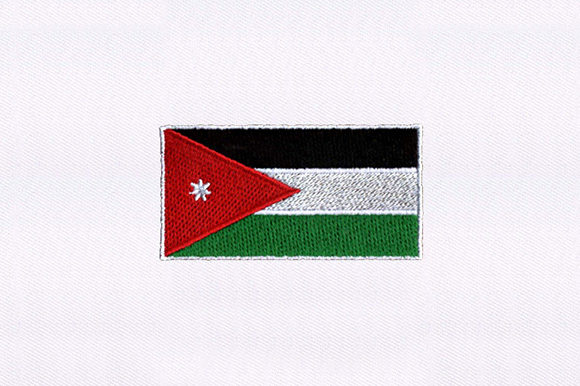
The moment you load the Flag of Jordan embroidery file into your digitizing software, the structure becomes apparent. It carries a distinct sense of order and heritage. Unlike chaotic abstract patterns or overly intricate floral motifs that can turn into a tangled mess if the stabilizer isn’t perfect, this design feels grounded. The visual personality is bold yet balanced, relying on strong geometric lines and clear color separation.
For the creative entrepreneur or Etsy seller, this clarity is gold. In a crowded marketplace, customers scroll quickly. A design that reads clearly from a distance—on a cap, a pillow cover, or an apron—converts better. The Flag of Jordan creates a mood of stability and respect. It doesn’t shout; it stands firm. This makes it particularly effective for Independence Day collections, heritage-themed gifts, or even subtle patriotic accents on custom apparel where the wearer wants to show affiliation without being overwhelming.
Real-World Application: From Screen to Stitch
I recently tested this concept by imagining it applied to a few high-demand product categories. Here is how the Flag of Jordan performs in those scenarios:
- Tote Bags and Canvas Goods: This is perhaps the most natural fit. The sturdy nature of canvas handles the stitch density well. Whether used as a central chest print or a small pocket accent, the flag’s clean lines pop against the neutral background. For a craft business selling handmade goods, this adds a touch of sophistication that appeals to buyers looking for quality over flashiness.
- Sweatshirts and Hoodies: When digitizing for knit fabrics, we worry about puckering. The Flag of Jordan appears to have a balanced distribution of fill stitches and satin borders. If the underlay is solid (which you must verify in your software), it will lay flat on a cotton-poly blend hoodie. It works beautifully for holiday embroidery collections, offering a wearable piece of art that feels personal rather than mass-produced.
- Baby Items and Nursery Decor: There is a growing market for cultural keepsakes. Using this design on a baby blanket or a onesie requires careful thread selection. Soft, muted tones can transform a bold flag into a gentle nursery accent. However, the designer must ensure the stitch density isn’t too stiff for a baby’s sensitive skin. Testing on scrap fleece or jersey is non-negotiable here.
- Embroidered Patches: For uniform makers or boutique branding, this flag translates exceptionally well to iron-on patches. The defined edges allow for a clean satin border, giving it a professional finish that looks great on denim jackets, backpacks, or kitchen towels.
Where to Exercise Caution
No design is perfect for every surface. As an experienced reviewer, I have to point out where the Flag of Jordan might struggle. Precision is key, and this design relies on accurate registration.
Avoid placing this on highly textured fabrics like chunky wools or loose-weave burlap unless you are using a heavy-duty stabilizer. The fine details of the flag’s geometry may get lost in the fabric’s texture. Similarly, be wary of stretchy fabrics like spandex blends without proper tear-away support; the tension could distort the straight lines, making the flag look warped.
Another critical area is small hoop sizes. If you attempt to shrink this design down to fit a tiny hat brim or a delicate jewelry box lid, you risk losing definition. The running stitch details and small text elements (if present) may merge into indistinguishable blobs. Always check the minimum recommended hoop size before committing to a small product. Furthermore, on dark fabrics, ensure your thread colors provide enough contrast. A red or green element might vanish against a black background if the shade isn’t vibrant enough.
Design Notes for the Serious Maker
To get the best results from this machine embroidery design, follow these practical steps. First, always test on scrap fabric that matches your final project in weight and composition. This reveals how the stabilizer interacts with the material and helps you adjust tension before you ruin a customer’s garment.
Inspect the thread colors closely. Digital previews can lie. A color that looks crisp on a monitor might appear muddy in polyester thread. Compare light and dark fabric backgrounds in your mockup software to ensure visibility. Also, convert your design to a black-and-white view in your digitizing software. This helps you see the true stitch density and potential clustering areas that might cause needle breaks or thread jams.
Consider the end use. Is this for a personalized gift or a commercial embroidery run? If you are selling finished items, confirm the licensing terms of the embroidery file. Some formats like PES, DST, JEF, HUS, VP3, XXX, TAP, VIP, PCS, PEC, ART, CND, DSB, DSZ, EXP, and 10O offer versatility across machines, but usage rights vary by creator. Never assume commercial rights are included unless explicitly stated.
Final Verdict: Value and Versatility
The Flag of Jordan is a reliable, visually striking asset for any digital product seller or hobbyist. It strikes a balance between detail and simplicity, making it accessible for beginners while still satisfying the standards of professional decorators. Its ability to convey identity and pride makes it a strong contender for Independence Day promotions, cultural celebrations, or everyday patriotic wear.
For the Etsy seller or small shop owner, this design offers high perceived value with relatively low technical risk, provided you manage your fabric choices and stabilization correctly. It enhances brand consistency by offering a clean, professional look that builds customer trust. Buyers appreciate products that look intentional and well-made, and this design delivers on that promise.
In conclusion, if you are looking to expand your catalog with culturally significant, versatile, and durable embroidery projects, the Flag of Jordan earns a spot in your library. Just remember: the magic isn’t just in the file; it’s in the execution. Test thoroughly, choose your materials wisely, and let the quality of your work speak for itself.