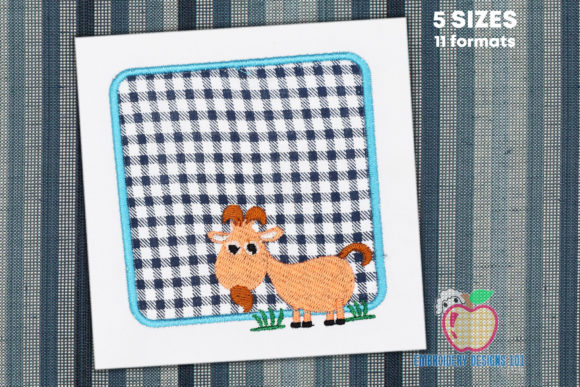
A Cartoon Goat in the Box Eating Grass
As an embroidery designer who spends hours testing digital files before they hit the shop floor, I have learned that not every cute design translates well into a tangible, sellable product. Some designs look charming on a screen but become a tangled mess of thread when stitched. That is why I treat every new acquisition with a critical eye, specifically looking for embroidery file quality, stitch density balance, and overall market appeal. Recently, I put the "A Cartoon Goat in the Box Eating Grass" design through its paces to see if it truly belongs in a professional catalog of personalized gift items.
This particular piece falls under the broad umbrella of Farm Animals within the Embroidery category, but calling it merely "farm-themed" does it a disservice. The design features a whimsical cartoon goat nestled inside a box, munching on grass. It strikes a balance between playful and sweet, making it an excellent candidate for a wide variety of customer bases, from baby product creators to wedding gift designers.
First Impressions and Emotional Appeal
The first thing you notice about this design is its mood. It is undeniably charming. The character is drawn with soft, approachable lines that suggest innocence and humor. For an Etsy seller or a small business owner, emotional connection is key to driving sales. This goat evokes a sense of warmth and nostalgia. It feels handmade even before it is stitched, which is a crucial trait for high-end handmade products.
The detail level is impressive for a machine applique design. It captures enough personality to stand alone as a focal point without needing excessive background clutter. Whether you are aiming for a rustic aesthetic or a modern nursery vibe, this design bridges the gap effectively. It is not overly complex, which means it will likely stitch cleanly on a variety of fabrics, provided you follow proper preparation steps.
Perfect Applications for Personalized Gifts
When planning my next batch of custom orders, I immediately visualized where this goat could shine. Its versatility is its greatest asset. Here are some of the most promising applications I identified during my review:
- Baby Embroidery: A baby blanket embroidered with this goat is an instant hit. The softness of the blanket combined with the cute imagery creates a comforting keepsake for new parents. It works beautifully as a gender-neutral option, appealing to a broader audience.
- Kitchen Towels and Aprons: Imagine a chef’s apron or a set of kitchen towels featuring this goat. It adds a touch of whimsy to the home kitchen. For families who enjoy cooking together, this custom embroidery adds a personal touch that mass-produced goods lack.
- Nursery Decor: Pillow covers for a child’s room can be transformed with this design. Placed centrally on a neutral fabric, it becomes a statement piece that is both decorative and durable.
- Wedding Keepsakes: While it may seem unconventional, this design can work for rustic or farm-themed weddings. Think of guest book pillows or favor bags for a couple who loves animals. It offers a unique alternative to traditional floral motifs.
- Custom Tote Bags: For the everyday shopper, a canvas tote bag with this goat is practical yet stylish. It appeals to those who appreciate quirky, conversation-starting accessories.
Enhancing Perceived Value and Giftability
From a business perspective, the choice of design directly impacts perceived value. A well-executed machine embroidery design signals quality and care. When a customer receives a finished product like a pillow cover or a blanket embroidery project that looks crisp and professional, their trust in your brand grows. They are more likely to leave positive reviews and return for future purchases.
Furthermore, this design lends itself well to product photography. The contrast between the goat and the fabric texture creates visual interest in photos, which is essential for Etsy listings and social media marketing. A printable mockup showing this goat on a cream-colored linen towel, for example, can significantly boost buyer engagement by helping customers visualize the final result.
Technical Considerations and Fabric Choices
While the design is strong, no embroidery project is without its challenges. As a professional, I must advise caution in specific scenarios to ensure the best outcome for your customers.
There are certain areas where this design requires careful handling. First, avoid using it on thick terry cloth towels unless you are using a heavy-duty stabilizer and appropriate hoop size. The thickness can cause needle deflection, leading to misalignment. Similarly, stretchy baby clothes require a firm water-soluble or cut-away stabilizer to prevent puckering. If you attempt to stitch this on a curved surface, such as a hat brim, the flat nature of the box design might not conform well without additional digitizing adjustments.
Dark fabrics also present a challenge. If the goat design relies on light thread colors for details, it may get lost against a dark background. Always check thread color contrast before committing to a run. Testing on scrap fabric is non-negotiable. You need to confirm that the stitch density holds up and that the edges are clean.
Practical Embroidery Notes for Success
To ensure that your small shop product meets professional standards, I recommend following these practical steps when working with "A Cartoon Goat in the Box Eating Grass":
- Test on Scrap Fabric: Never rush into a customer order. Stitch the design on the exact fabric type you plan to use. This helps you identify any potential issues with tension or stability.
- Check Thread Colors: Review the default thread colors provided in the file. Do they complement your chosen fabric? You may need to swap out threads to achieve the desired aesthetic.
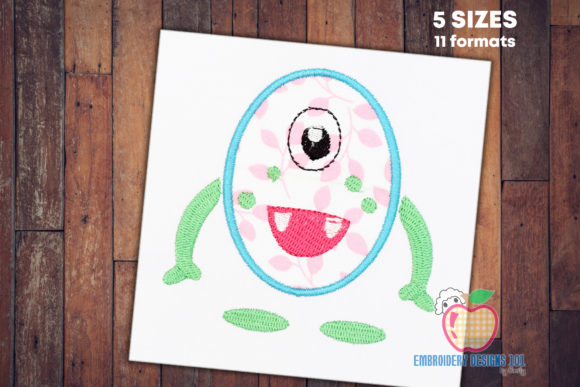
- Confirm Hoop Size: The design comes in five sizes, ranging from 4 inches to 8 inches. Ensure your machine’s hoop size matches the intended output. Common compatible hoops include 4x4, 5x7, 6x10, 8x8, and 8x12. Using the wrong hoop can lead to cropping or distortion.
- Use Proper Stabilizer: Depending on the fabric weight, select the appropriate stabilizer. For delicate items like baby blankets, a tear-away or wash-away stabilizer might be best. For heavier items like aprons, a cut-away stabilizer provides lasting support.
- Review Small Details: After stitching, inspect the small details closely. Are the eyes clear? Is the grass distinct? If details are muddy, you may need to adjust thread tension or use a finer needle.
- Compare Light and Dark Mockups: Create digital mockups on both light and dark fabrics to see how the design performs visually. This helps in setting accurate customer expectations.
Final Thoughts on Commercial Potential
In conclusion, "A Cartoon Goat in the Box Eating Grass" is a versatile and endearing digital embroidery file that has strong commercial potential. It fits seamlessly into the niches of baby embroidery, wedding gifts, and general home decor. Its charm lies in its simplicity and emotional resonance, making it a favorite among crafters and gift buyers alike.
However, success depends on execution. By paying attention to fabric selection, stabilizer usage, and thread contrast, you can transform this design into a high-quality handmade product that stands out in a crowded marketplace. Remember to verify all technical specifications, such as exact stitch counts and licensing terms, before launching your commercial embroidery line. With careful planning and attention to detail, this goat is sure to bring joy to many homes and boost your bottom line.